

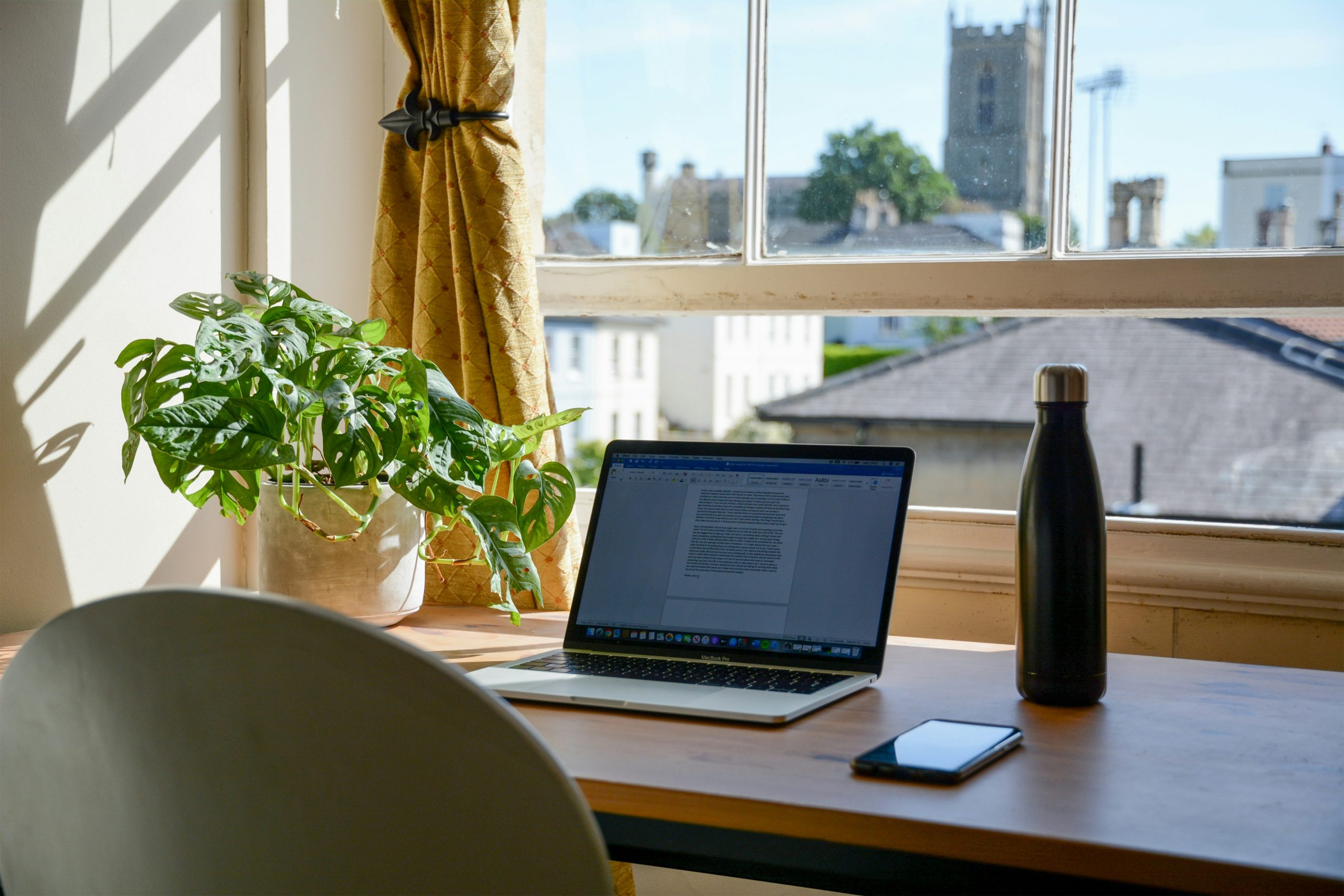
For years, I believed working from home was the answer to balancing business and motherhood. There was no commute, I could be there for the school run, and the washing machine could hum away while I answered emails. What could possibly go wrong?
Quite a lot, as it turned out! The flexibility was real, but so was the feeling that I was never fully at work or fully at home. A proposal would sit beside a shopping list, and I squeezed calls between domestic jobs.
Discovering flexible office space did not magically create more hours. It did something more useful: it gave some of those hours a clear purpose. Here is what changed when I stopped expecting my home to carry every part of my working life.
The kitchen table was doing too many jobs
My kitchen table was a desk, a place for family meals, a homework station and the spot where unopened post gathered. Even on a quiet day, the room reminded me of everything else that needed doing.
I could work there, but every household task was visible and each interruption made it harder to return to deeper work. Simple jobs stretched across the day, followed by catch-up after bedtime.
The problem was not a lack of discipline. It was that the boundary between my roles had become almost invisible.
I stopped treating focus as an indulgence
Like many working mothers, I became brilliant at fitting work into the gaps. That resourcefulness helped me build a business, but it also convinced me that uninterrupted time was a luxury.
It is not. Focus is part of the job. Creative thinking, financial planning, writing books, client strategy and difficult decisions all need more than a spare twenty minutes.
Once I accepted that, occasional workspace felt less like an extravagance and more like creating the right conditions for valuable work.
Finding a space that fitted real life
I did not want another rigid commitment. Parenting already brings enough timetable changes, from inset days to appointments and the inevitable phone call from school. I needed somewhere professional that could support important work without pretending every week looked the same.
For London workdays twice a month, I began looking for a London coworking space with straightforward transport links, proper meeting facilities and options that could flex with my diary. The Work Project was one of the providers I considered because its UK site lists central London workspaces, offices and meeting rooms, alongside flexible membership options. As with any workspace, I would still check current availability, pricing, access and the exact facilities needed before booking.
That research mattered. A beautiful room is no help if the journey swallows the morning or its hours clash with childcare.
I gave each office day a job
The biggest improvement came when I stopped using workspace days for ordinary admin. I can clear routine emails at home. If I am travelling into London, the day needs to earn the journey.
I now decide on one meaningful outcome before I leave: finish a proposal, record content, hold client meetings or map the next quarter.
This makes the day feel contained. Instead of carrying an endless list, I know what success looks like. That completion is energising when so much of family life involves jobs that instantly repeat.
The commute became a useful boundary
I once viewed any commute as wasted time. Now, an occasional journey helps me change gears. On the way home, I close the laptop, note tomorrow’s first task and return to family life.
That transition is powerful. At home, moving from a video call to making tea takes seconds, but my brain does not always catch up. A short journey creates a pause before the evening.
I am also more present when I return because I have had a defined working day, rather than a day of repeatedly starting and stopping.
Flexibility works best with honest boundaries
Flexible space did not remove boundaries. It made them easier to explain. My family could see that an office day was different, and clients knew when I was available.
I also stopped making every office visit last all day. A focused school-hours session can beat a long, distracted one. Leaving in time for pickup is why a flexible model works for my life.
There are still imperfect days. A child gets ill, transport goes wrong or a deadline moves. The difference is that my whole system no longer collapses when the plan changes.
What I protect now
My working week is still a blend of home, meetings, family logistics and the occasional dedicated workspace day. I protect it with a few simple habits:
- I choose office days for deep work or important conversations.
- I book around actual childcare, not an imaginary perfect week.
- I set one main outcome and finish it before chasing smaller tasks.
- I leave a short buffer before returning to family mode.
- I review what worked instead of feeling guilty about what changed.
A better balance, not a perfect one
Balance is not a beautifully divided calendar where business and motherhood never overlap. For me, it is having enough choice to give each role proper attention when it matters.
Flexible office space gave me a physical boundary, but the deeper change was internal. I began to respect focus as a legitimate need and became more willing to stop when the working day was done.
I have not reclaimed every minute, and I no longer expect to. I have reclaimed the feeling that my workday belongs to me. That has made me calmer in business, more available at home and kinder to myself.
Order my debut children's book
Greek Myths, Folktales & Legends for 9-12 year olds
Published by Scholastic. Available on Amazon
