

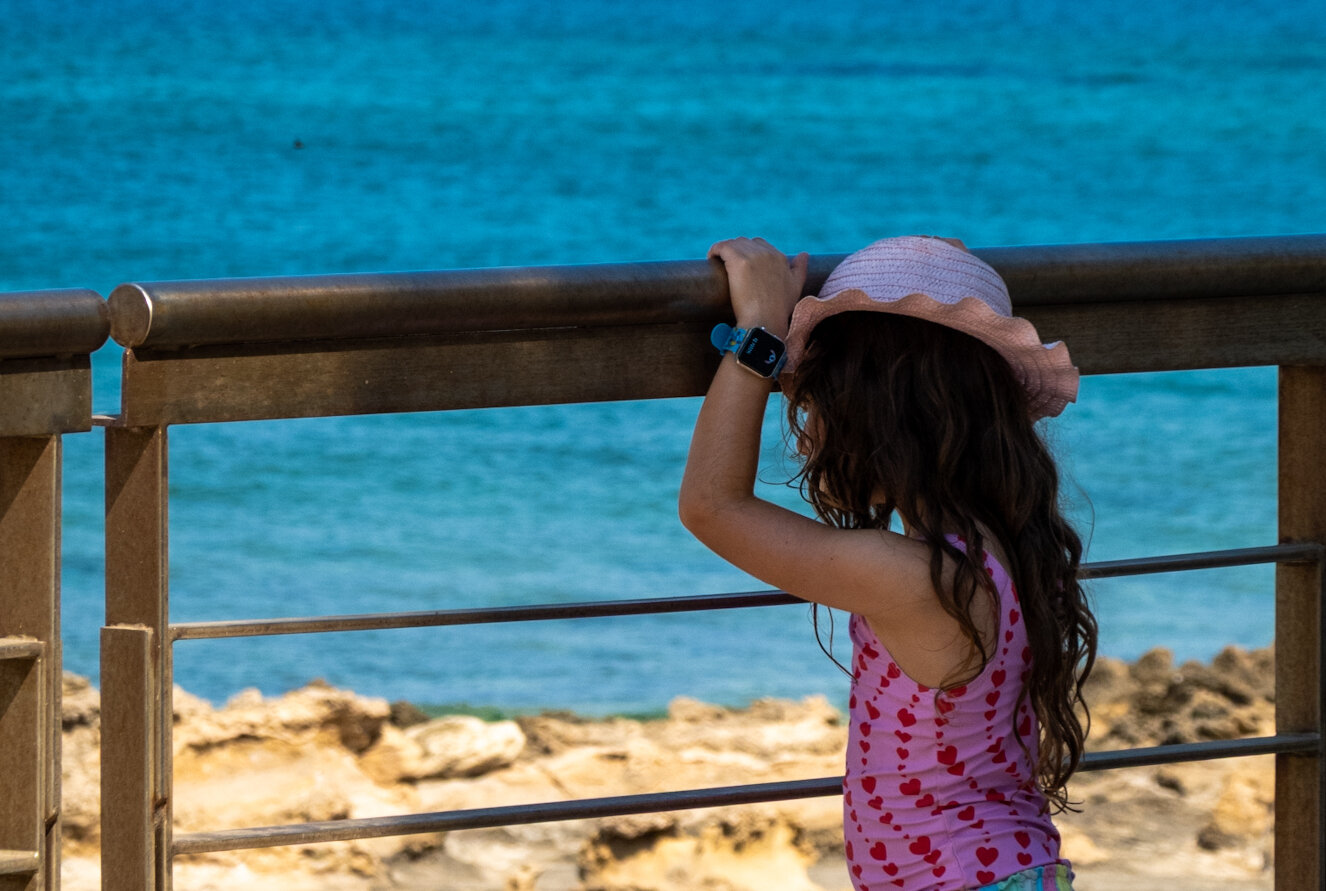
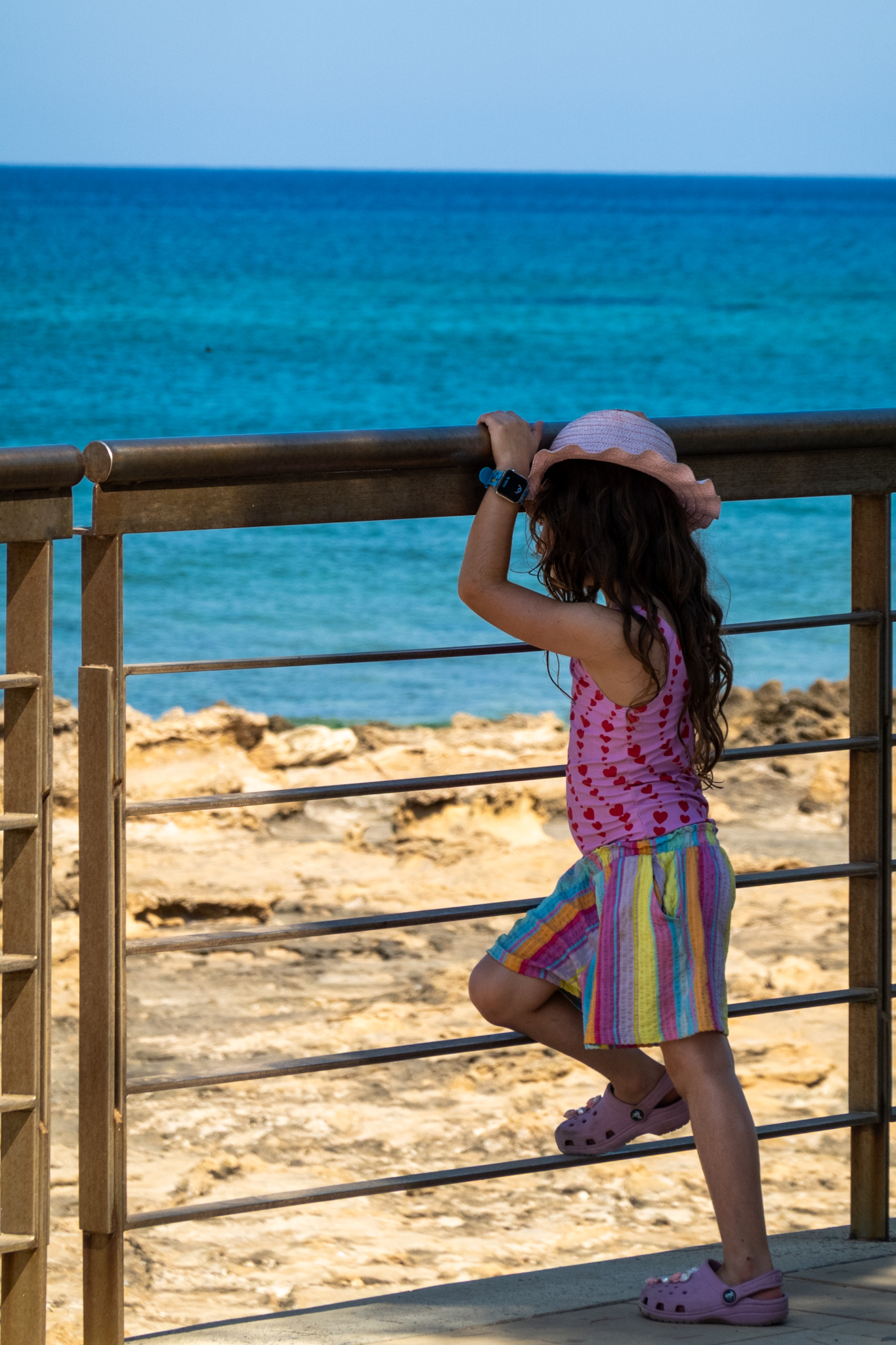
A family holiday can look so blissful in the booking photos yet feel rather different by day three, when one child is overtired, another wants constant action, and the adults are wondering when their own break begins. The problem is not always the destination, but more often it’s pace.
That’s why I like to think of every family member as arriving with a personal energy budget: a finite supply of physical, social and emotional energy to spend. Plan around those limits, and there is more room for joy and rest, rather than returning home needing another holiday – I promise!
Start with people
Before booking every boat trip and museum ticket, ask what restores and drains each person. An early-rising younger child may be happiest exploring before lunch and desperate for quiet by mid-afternoon. A teenager might need a slower morning but relish activity later. One parent may recharge through exercise; another may need solitude and a glorious hour with a book. None of these needs is more valid than another!
Note everyone’s likely high- and low-energy windows, then place the most important shared experience where those windows overlap. Choose one or two family priorities for the whole trip, not six daily obligations; remember, it’s about taking it slow during the summer holidays: an ordinary, unhurried day can create connection too! A swim, a wander for ice cream or a chat over breakfast still counts as quality time.
Spend and recharge
Think in rhythms rather than packed days. A lively morning of kayaking or cycling might be followed by lunch, shade and an unplanned afternoon; a full-day excursion could sit between two calmer days. This is a great way to protect fun! When every day is billed as “the big day”, excitement can quickly become overload.
A 2024 scoping review of 76 studies found strong evidence that children’s sedentary behaviour and screen time increased over the summer, alongside moderate evidence of falling physical activity. The answer to that isn’t to schedule children from dawn to dusk, though; more than that, it’s to make movement appealing and achievable, then give their bodies and minds time to recover. Leave a blank block in every day and treat rest as part of the holiday experience! Sprawling on the bed after lunch, drawing on the balcony or watching the sea is anything but wasted time.
Protect the basics
Energy disappears remarkably quickly when people are hungry, thirsty, hot or short on sleep. That’s why you should keep meals reasonably predictable, always carry water and easy snacks, seek shade during the hottest part of the day and avoid stacking a late evening before an early-start activity. Familiar anchors matter especially to younger children, such as the same bedtime story or comforting toy. NHS children’s health guidance on sleep routines notes that they support physical, mental and emotional wellbeing, while also stressing that every child’s needs are different. In other words, preserve a rhythm without attempting military precision!
Parents need the basics too. Eat properly, take turns carrying the practical load and protect a pocket of restorative time for each adult. My self-care ideas for busy parents are a useful reminder that replenishing yourself can be as simple as a walk, a swim, reading, switching off technology or simply enjoying a nice cup of tea.
Different paces
Togetherness does not require the family to move as one cheerful unit all day. Sometimes, the most connecting choice is a little independence. On active holidays with organised family activities and time to recharge, look at whether children can join age-appropriate clubs or try activities such as sailing, kayaking or tennis while adults choose movement, rest or time together. Don’t try to maximise every option, and remove the expectation that everyone must want the same thing simultaneously. Let each person choose a holiday “yes”, a “maybe” and a guilt-free “no”. Build in a simple family check-in each evening: what gave you energy today, what used too much, and what would feel good tomorrow? Then adjust without treating a changed plan as failure.
The best holiday schedule is the one that leaves enough energy for kindness and laughter. Spend the family budget on experiences that matter and replenish it with sleep, food, quiet and freedom, and allow different people to recharge in different ways.
You will not fit in everything, but you may come home with something better: happy memories and some energy still in the bank.
Order my debut children's book
Greek Myths, Folktales & Legends for 9-12 year olds
Published by Scholastic. Available on Amazon
