


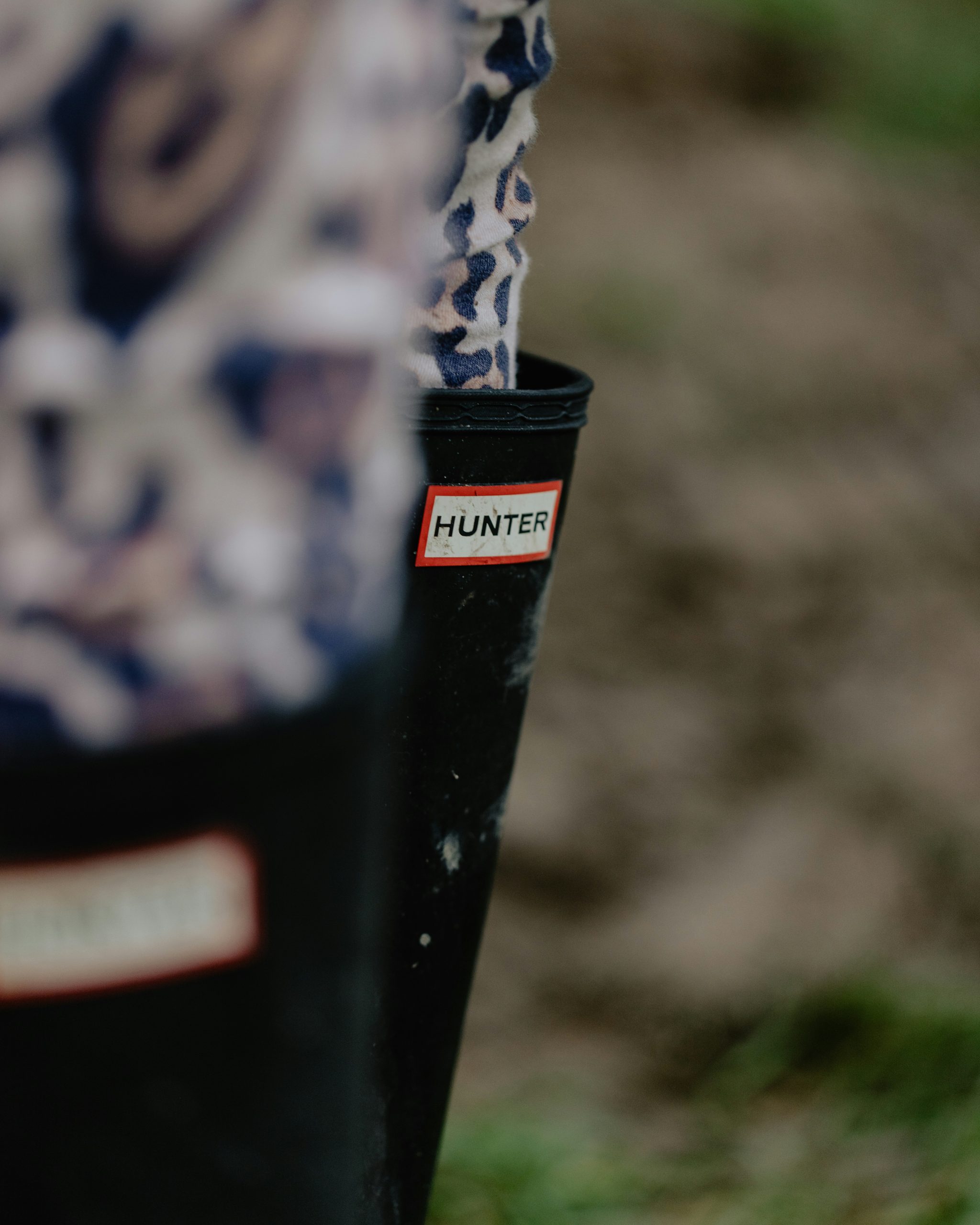
Wellington boots are a classic staple for those who live a life close to nature/ want to handle unpredictable weather with ease. They’re built to last—though the specialist rubber on high-quality boots needs careful consideration when it comes to maintaining flexibility/ retaining their watertightness.
Failure to care for this rubber can lead to premature cracking, which ultimately reduces the ability to keep your feet dry. This article looks at the best strategies for making sure your favourite pair of wellington boots will be around for many seasons to come.
Rinse Away Salt and Grit
Salt from winter roads and grit from muddy paths are the most damaging elements for your boots. These abrasive particles can wear down the surface of the rubber and lead to micro-cracks if left to sit. After every use, give your boots a quick rinse with cold, fresh water to wash away these harmful substances.
You don’t need a high-pressure hose; a simple garden hose or a bucket of water is sufficient. Pay special attention to the folds around the ankles and the grooves in the soles where grit likes to hide. This simple thirty-second habit is the easiest way to prevent long-term structural damage to the boot.
Use Specialised Rubber Cleaners
When your boots require a deeper clean than just a rinse, always reach for a product specifically designed for natural rubber. Stay away from all-purpose household cleaners, since they typically include solvents that can strip away the protective oils in the rubber. Keep your women’s wellington boots soft with the right products and prevent brittleness.
Use a soft sponge to apply the cleaner and gently work it into areas that show stubborn stains. Once done, rinse the boots thoroughly to ensure no chemical residue is left on the surface. Paying for premium cleaning products can go a long way in helping your shoes live longer.
Deal with the “Blooming” Effect
Natural rubber boots will develop a white, chalky look on their surface. This is an entirely natural thing called “blooming”, a process by which protective waxes move to the surface of rubber. Although it has no functional impact on the boot, many opt to remove it as a personal preference.
You can immediately bring the original shine and colour back to your boots with a special boot buffer or just a little olive oil applied onto a soft cloth. Just wipe the surface until the white film disappears and your boots will look rich and dark again. A quick fix that will make your high-end boots look brand new in minutes.
Dry Your Boots Away from Heat
One of the fastest ways to spoil rubber boots is to dry them quickly using a heat source or an open flame. The rubber undergoes uneven expansion and contraction due to rapid temperature changes, resulting in cracking or delamination. Always let your boots dry on their own in a room which has a consistent, moderate temperature.
Wet insides are best dried by stuffing them with absorbent paper. Turn the boots upside down for several hours to allow any water that has been trapped to drain out before proceeding with drying in an upright position. Proper drying is critical in order to prevent mould and to help maintain the shape of the boot.
Condition the Rubber Regularly
Natural rubber, like leather, has to be kept hydrated in order for it to stay flexible and durable. Applying a rubber conditioner once every few months helps replenish natural oils and provides a barrier against UV exposure. For weather conditions with very large fluctuations in temperature, this step is even more critical.
Buff the conditioner into the rubber, using a clean cloth, until it has completely absorbed and the surface feels smooth. This will keep the rubber from getting too stiff and uncomfortable over time. A well-conditioned boot is a lot more resistant to walking and bending stresses.
Inspect for Wear and Tear
Every few months, give your boots a thorough inspection for signs of wear and tear, such as thinning rubber or tiny holes. Catching a tiny nick early so you can repair it with a specialised rubber patch kit will prevent it from becoming a major leak. Examine the soles to be sure that the tread remains deep enough to provide the necessary grip on wet surfaces too.
If you see the insoles are starting to lose some thickness or become lumpy, replacing them can instantly improve the comfort and support of the boot. Being proactive about repairs ensures you never get caught with wet feet during a heavy downpour.
Protecting Your Favorite Outdoor Footwear
Maintaining your Wellington boots is a small job, but it will pay off with years of dry, comfortable feet. Keep in mind that quality boots are an investment in your outdoor lifestyle and physical comfort. A little maintenance today avoids quite a bit of frustration during the next rainy season. Keep your boots clean, conditioned, and properly stored—that way your boots will serve you faithfully on every adventure!
Order my debut children's book
Greek Myths, Folktales & Legends for 9-12 year olds
Published by Scholastic. Available on Amazon
