

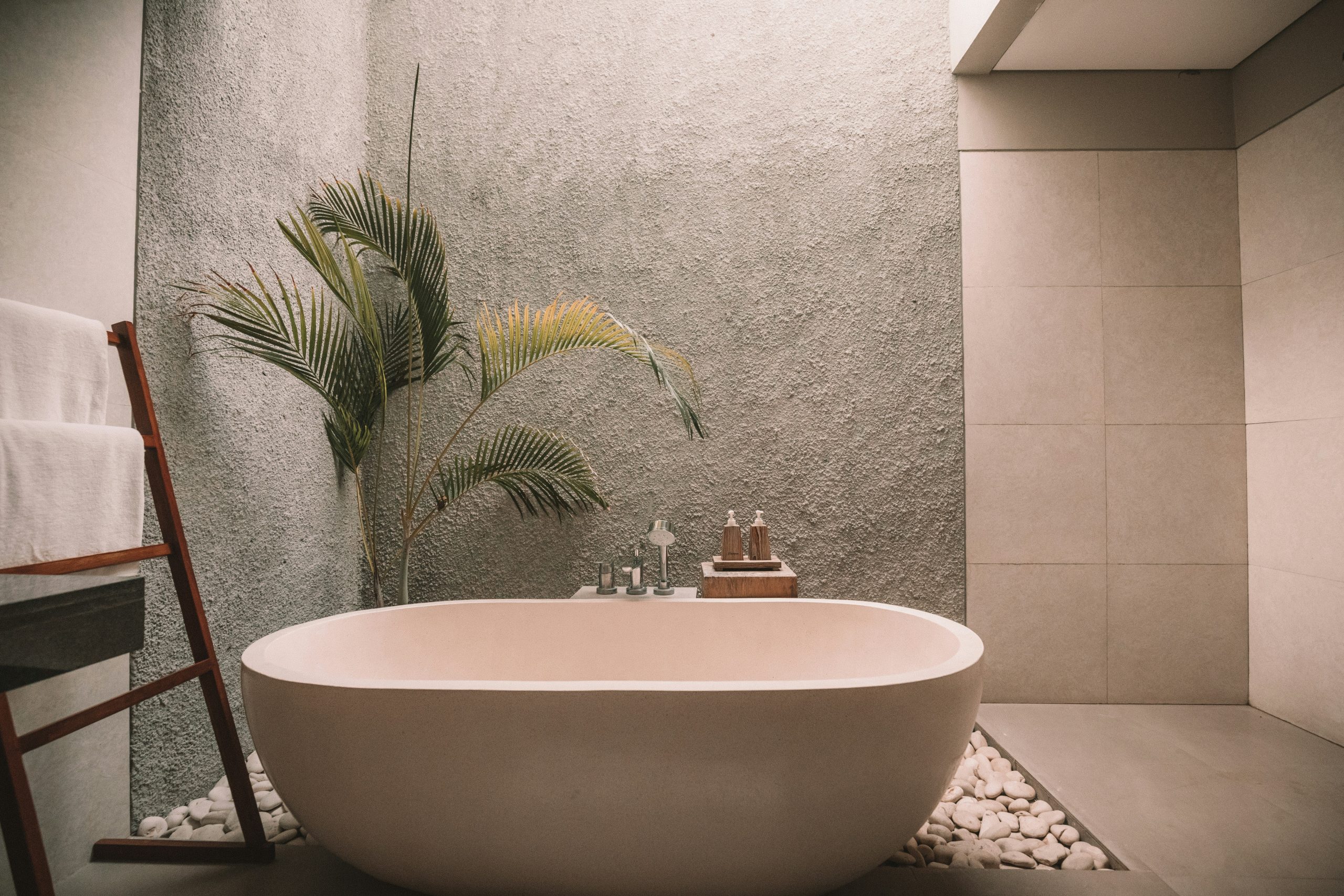
The bathroom is one of the most used rooms in any home, yet it is often one of the most overlooked when it comes to renovation. Many homeowners prioritize kitchens, living rooms, or outdoor spaces when planning upgrades, leaving the bathroom as an afterthought. This is a significant missed opportunity. A thoughtfully remodeled bathroom does far more than improve aesthetics — it transforms daily routines, supports physical wellbeing, reduces stress, and adds measurable value to a home. The comfort benefits of bathroom remodeling go deeper than most people initially expect.
The Daily Ritual Connection
Consider how much of your day begins and ends in the bathroom. Morning routines set the tone for productivity, mood, and energy levels. Evening routines signal the body to wind down and prepare for sleep. When a bathroom is cramped, poorly lit, outdated, or functionally awkward, these rituals become frustrating instead of restorative. A remodel addresses those friction points directly.
Research consistently shows that physical environments have a measurable impact on psychological state. A bathroom designed with intention — featuring adequate lighting, intuitive layout, and quality fixtures — reduces the mental load of everyday tasks. The result is not just a prettier space but a genuinely calmer start and end to each day.
Comfort Through Ergonomics and Accessibility
One of the most underappreciated dimensions of bathroom comfort is ergonomics. Standard bathroom designs were not always built with the full range of human needs in mind. Fixtures positioned at inconvenient heights, narrow doorways, slippery flooring, and insufficient grab support can make a bathroom uncomfortable — or even unsafe — for many users.
Modern remodeling takes ergonomics seriously. Walk-in showers eliminate the step-over barrier of traditional tub-shower combinations. Comfort-height toilets reduce strain on joints. Wider doorways and turning radii accommodate wheelchairs and walkers. Grab bars, once considered purely clinical, are now designed to blend seamlessly with modern décor. For instance, accessible bathroom remodeling near the Sacramento Area has seen a surge in demand as aging homeowners and families with mobility considerations seek spaces that work for everyone — not just the able-bodied majority.
The numbers reflect a broader national trend. According to the National Association of Home Builders, nearly 60 percent of remodeling contractors reported an increase in requests for aging-in-place features in recent years. These upgrades do not simply accommodate disability — they enhance comfort for users of all ages and abilities.
Lighting, Temperature, and Sensory Wellbeing
A bathroom remodel gives homeowners the opportunity to rethink two of the most comfort-critical environmental factors: lighting and temperature. Many older bathrooms rely on a single overhead fixture that casts unflattering shadows and creates visual fatigue. A well-designed lighting plan layers ambient, task, and accent lighting to serve different needs at different times of day.
Heated flooring is another upgrade that consistently ranks among the highest in post-remodel satisfaction. Stepping onto a cold tile floor on a winter morning is a small but genuine discomfort repeated hundreds of times per year. Radiant floor heating eliminates this entirely and is more energy-efficient than many homeowners expect, operating on very little electricity once the thermal mass of the floor is warmed. Similarly, towel warmers, steam showers, and programmable thermostatic controls allow users to shape the bathroom environment to their preferences rather than simply tolerating whatever the space offers.
Storage and Organization as Comfort Factors
Clutter is a well-documented source of low-grade stress. In a bathroom, disorganized countertops, overflowing cabinets, and products stored haphazardly on the floor create a sense of chaos that undermines relaxation. A remodel allows for custom storage solutions tailored to how a household actually uses the space.
Built-in niches in showers eliminate the need for hanging caddies. Vanities with deep drawers replace cramped sink cabinets. Medicine cabinets with integrated lighting and mirrors reduce counter clutter. When everything has a designated place and that place is well-designed, the bathroom functions more smoothly and feels significantly more comfortable — even if its square footage has not changed at all.
The Return on Investment Beyond Resale Value
Bathroom remodels are frequently discussed in terms of resale value, and the numbers are strong: according to Remodeling Magazine’s annual Cost vs. Value report, a midrange bathroom remodel recoups an average of around 66 percent of its cost at resale, while an upscale remodel hovers near 56 percent. But focusing solely on financial return misses an equally important form of value — the quality-of-life return experienced every single day while living in the home.
Homeowners who remodel bathrooms consistently report higher satisfaction with their living space overall. The bathroom becomes a destination rather than a utility. A soaking tub, a rainfall showerhead, or simply a vanity with adequate counter space can shift how a person experiences their home on a fundamental level.
Small Changes, Significant Impact
It is worth noting that bathroom remodeling does not have to be a comprehensive overhaul to deliver meaningful comfort improvements. Replacing an outdated showerhead, upgrading faucet hardware, adding a dimmer switch, or installing a new vanity mirror with integrated lighting are relatively modest changes that produce noticeable results. Even targeted updates to ventilation — replacing a noisy, inefficient exhaust fan with a quiet, high-performance model — can dramatically improve the comfort of everyday use.
The bathroom is where people begin and end their days. It is where they recover from illness, decompress after stress, and prepare to face the world. Investing in its comfort is not an indulgence — it is one of the most practical decisions a homeowner can make.
Order my debut children's book
Greek Myths, Folktales & Legends for 9-12 year olds
Published by Scholastic. Available on Amazon
