

Top 8 Tips for an Efficient Grocery Run
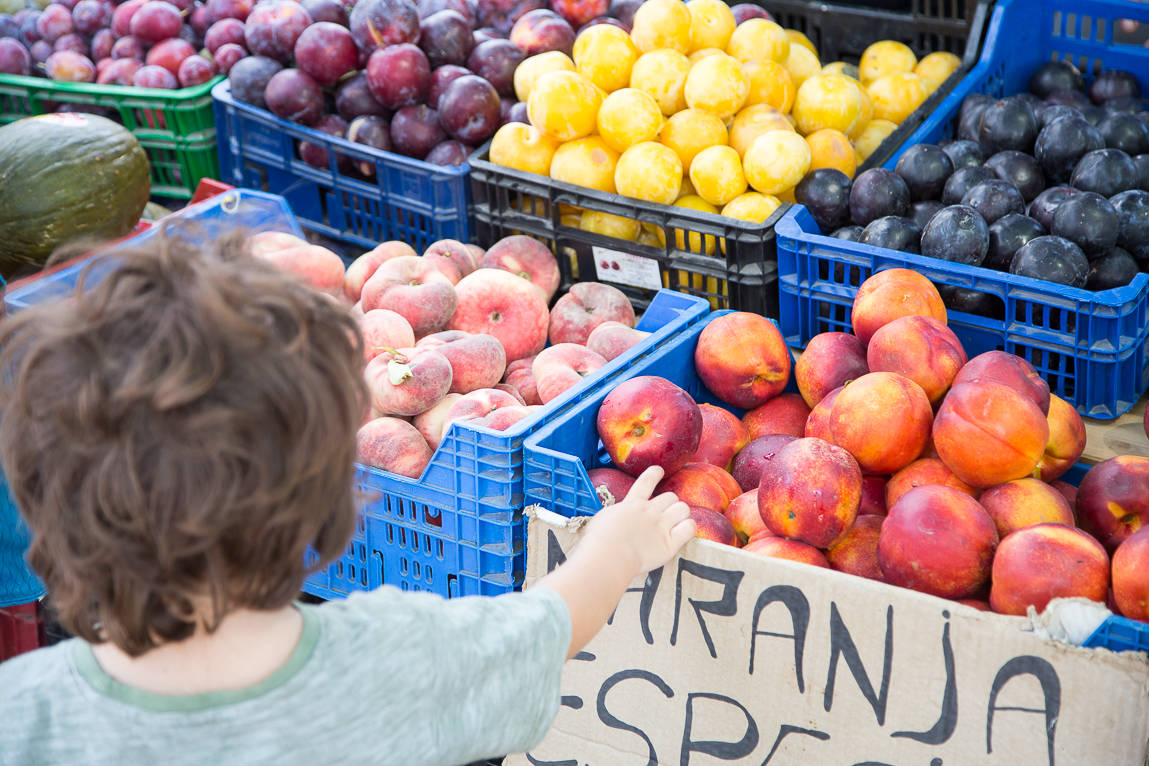 Grocery shopping is a necessary task, but it can quickly become a time-consuming and costly chore.
Without a clear plan, it’s easy to second-guess purchases and forget essential items—only to realize later that you need to make another trip. Common setbacks like long checkout lines, crowded stores, and impulse purchases can make the experience even more frustrating.
A little strategy, however, can turn grocery shopping into a smoother and more cost-effective process. Preparing well beforehand not only speeds up the trip but also helps avoid overspending and unnecessary stress. With the right habits, you can make each store visit more efficient and productive.
Try these practical tips to shop smarter and get the most out of every grocery run:
Pay with the Right Credit Card
The way you pay for groceries can make a big difference in how much you ultimately spend. Many credit cards offer cashback, points, or rewards specifically for grocery purchases, allowing you to save money on everyday essentials.
Some cards provide higher reward rates at supermarkets, while others include rotating bonus categories that can boost savings at the right time. The Landers Cashback Everywhere Credit Card by Maya, in particular, allows you to earn cashback at a rate of up to 5% when you shop at Landers, and you may even get to take advantage of the occasional Landers credit card promo for even more savings.
Sign Up for a Loyalty Program
If you’re paying full price for groceries, you might be leaving easy savings on the table. Most supermarkets offer free loyalty programs that grant access to exclusive discounts and even personalized deals based on your purchase history. Over time, these savings can add up significantly, especially for staple items you buy regularly. Signing up takes only a few minutes, and many stores now allow you to track savings and clip digital coupons through an app instead of using paper coupons.
Plan Your Meals Weekly
Standing in the middle of a grocery aisle trying to decide what to buy isn’t just inefficient—it often leads to impulse buys and forgotten ingredients. A weekly meal plan removes the guesswork from your shopping routine, so you can buy what you need faster and more purposefully. Since you know in advance what meals you’ll prepare, you can create a focused list that ensures you only get what’s necessary.
Organize Your List by Category
A disorganized shopping list can easily add extra minutes—or even hours—to your grocery run. When you backtrack across the store for missed items, you waste time and run the risk of picking up other things you don’t really need. Try grouping items by category: produce, dairy, meat, pantry staples, frozen foods, and household essentials. Compared to just listing things randomly, this method helps you move efficiently through the store without unnecessary detours.
Shop at Off-Peak Hours
A crowded grocery store can slow everything down. You’ll naturally have to move slower when navigating packed aisles, and waiting in long checkout lines will only add to the frustration. Instead of shopping during peak hours, aim for quieter times when the store is less congested. Early mornings, weekday afternoons, or late evenings tend to be the best times to shop stress-free. Popular items are also often restocked overnight, so you might even have better luck finding what you’re looking for.
Go Alone If Possible
Grocery shopping with family or friends might seem convenient, but it often leads to unnecessary distractions. Extra opinions, spontaneous requests, and side conversations can slow you down and make you more likely to buy something on a whim. If you’re aiming to be as efficient as possible, shopping alone allows you to stay focused and move through the store without delays. With fewer interruptions, you can get in, check off your list, and get out in record time.
Buy in Bulk Smartly
Stocking up on bulk items can be a great way to save money—but only if you do it strategically. Before committing to bulk purchases, consider storage space, shelf life, and how quickly your household will go through the items. Large packages of pantry staples like rice, pasta, and canned goods often cost less per unit. In contrast, buying in bulk isn’t always the best choice for perishable items like fresh produce, which may expire before you get to use them. A good rule of thumb is to buy in larger quantities only when the savings justify the purchase.
Keep Reusable Bags On-Hand
There are lots of reasons to use reusable bags for grocery shopping rather than single-use paper or plastic bags. Not only do they help reduce waste, but they’re also sturdier and more comfortable to carry. Some stores offer small discounts for bringing your own bags as well, and in areas where single-use bags come with a fee, reusable options can save money over time. Keep a few reusable bags in your car, by the front door, or even in a backpack so you always have access to them when you need them.
There are better ways to save time on your grocery runs than simply rushing through the store—and most of them will require you to shop with more intention. A few simple adjustments can save time, reduce stress, and even cut costs without sacrificing quality or convenience. The less time you spend navigating aisles and waiting in lines, the more time you’ll have for things that matter.
Order my debut children's book
Greek Myths, Folktales & Legends for 9-12 year olds
Published by Scholastic. Available on Amazon
