

Selecting the perfect plaster coving for your living space might feel like a daunting task. While it’s easy to become overwhelmed by the sheer volume of choices, focusing on the specific character of your home will help guide you towards a selection that feels natural. This article explores how to navigate these aesthetic decisions so you can choose a profile that brings lasting beauty and charm to your renovated interior.
Understanding the Architectural Heritage of Your Home
Take a moment to look at the history and original era of your home to see what naturally fits. Victorian homes benefit from deep and intricate floral designs, while modern apartments look much better with clean lines that don’t clutter the visual space. If you match the coving to the period of your house, you’ll create a transition between the walls and the ceiling that looks like it has been part of the structure.
Considering the Ceiling Height and Room Proportions
The physical dimensions of your room play a big role in determining which size of plaster coving will look balanced. Take note that large rooms with high ceilings can handle bold and wide profiles that draw the eye upward. If you choose a piece that’s too large for a tiny room, you might accidentally make the ceiling feel like it is pressing down on you, which is the opposite of the airy feeling you want to opt for!
Evaluating the Existing Decorative Elements
It’s vital to look at your current skirting boards or window architraves to ensure that your new plaster additions will fit in aesthetically. If your home features heavy and ornate timber details, then choosing a decorative coving will help maintain a level of luxury. On the other hand, if your interior design leans towards minimalism with flat surfaces, then a cove design will likely be the most appropriate choice.
Choosing Between Traditional and Contemporary Profiles
Modern manufacturing allows for a wide variety of styles ranging from the classic egg-and-dart patterns of the past to the sleek lighting troughs of today. You might prefer a traditional look if you want to add a sense of grandeur and history to a formal dining room or a main hallway where guests are welcomed perhaps. Plaster Coving alternatively, with contemporary styles offer a way to introduce subtle shadows and depth to a room.
Looking at the Impact of Natural and Artificial Light
The way light hits the various curves and tiers of your plaster coving can change how a room feels. Deeply recessed designs will create dramatic shadows, which adds a layer of texture and interest to the perimeter of your ceiling. If your room receives a lot of bright sunlight, a smoother and more rounded profile might be preferable as it softly reflects the light and creates a gentle glow throughout the space.
Assessing the Practicality of Different Materials
You should consider how easy the specific design will be to maintain over many years. Intricate patterns with many small crevices might require more frequent dusting and careful painting to ensure the details remain sharp and visible rather than being filled in with thick layers of paint. Simpler designs keep looking fresh, which makes them a choice for busy households or rooms that see a lot of daily activity.
Thinking About the Future Value of Your Property
Investing in high-quality plaster features is a way to increase the appeal of your home to buyers. Neutral and classic styles tend to have an appeal, as they allow future owners to adapt the room to their own tastes. While you should choose something that you personally love, keeping one eye on timeless designs can ensure that your home improvement project remains a valuable asset for the future.
Finalising Your Home Renovation Vision
The journey towards a more beautiful home is often paved with small but important decisions that create a space that feels truly special. Remember that the best choice is the one that respects the architecture of your house while reflecting your personal style and meeting the needs of your daily life. Once the installation is complete, you will find that the addition of quality plasterwork is the ‘cherry on top’.
Photo by Büşra Güler on Unsplash.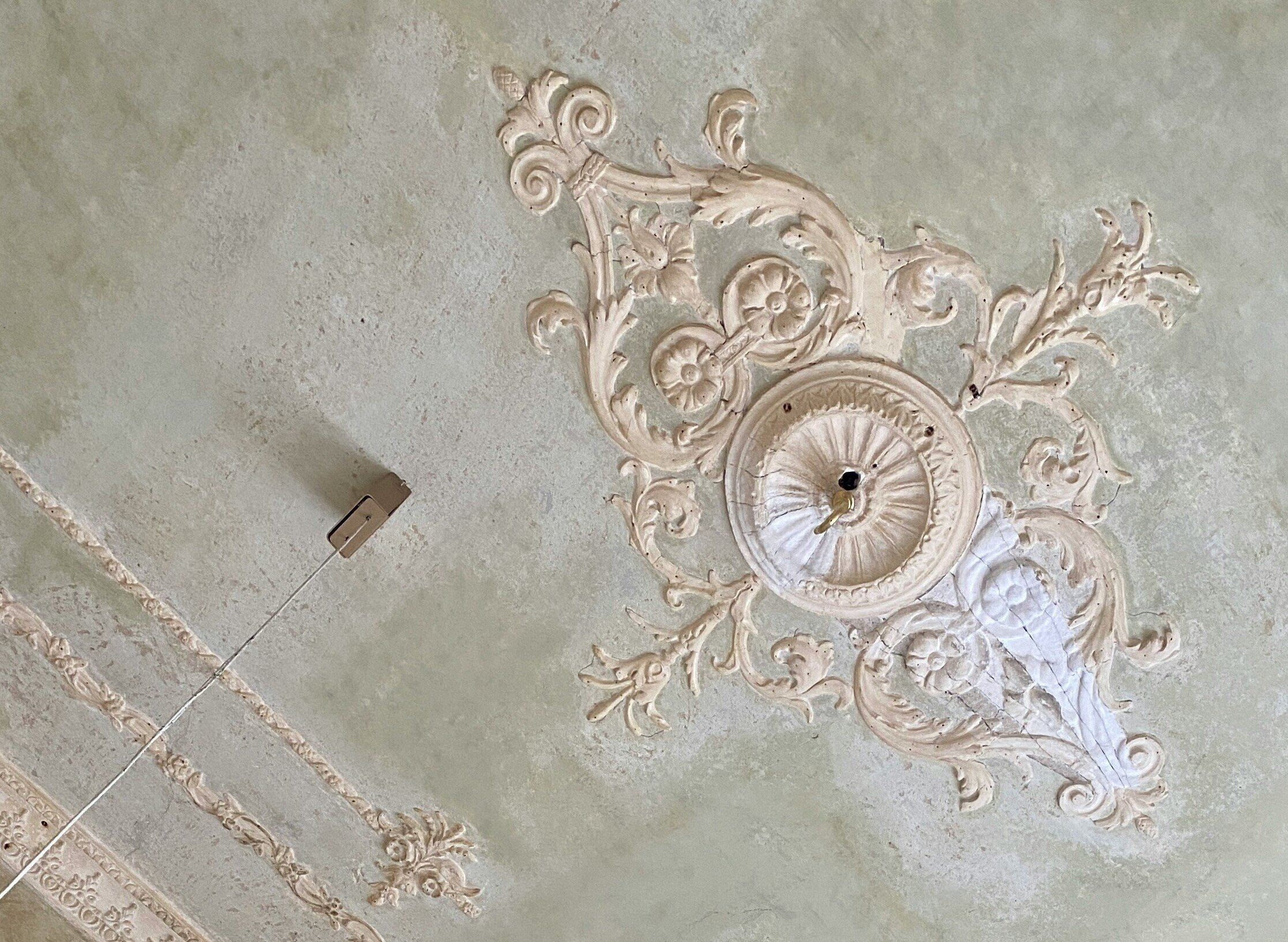
Order my debut children's book
Greek Myths, Folktales & Legends for 9-12 year olds
Published by Scholastic. Available on Amazon
