

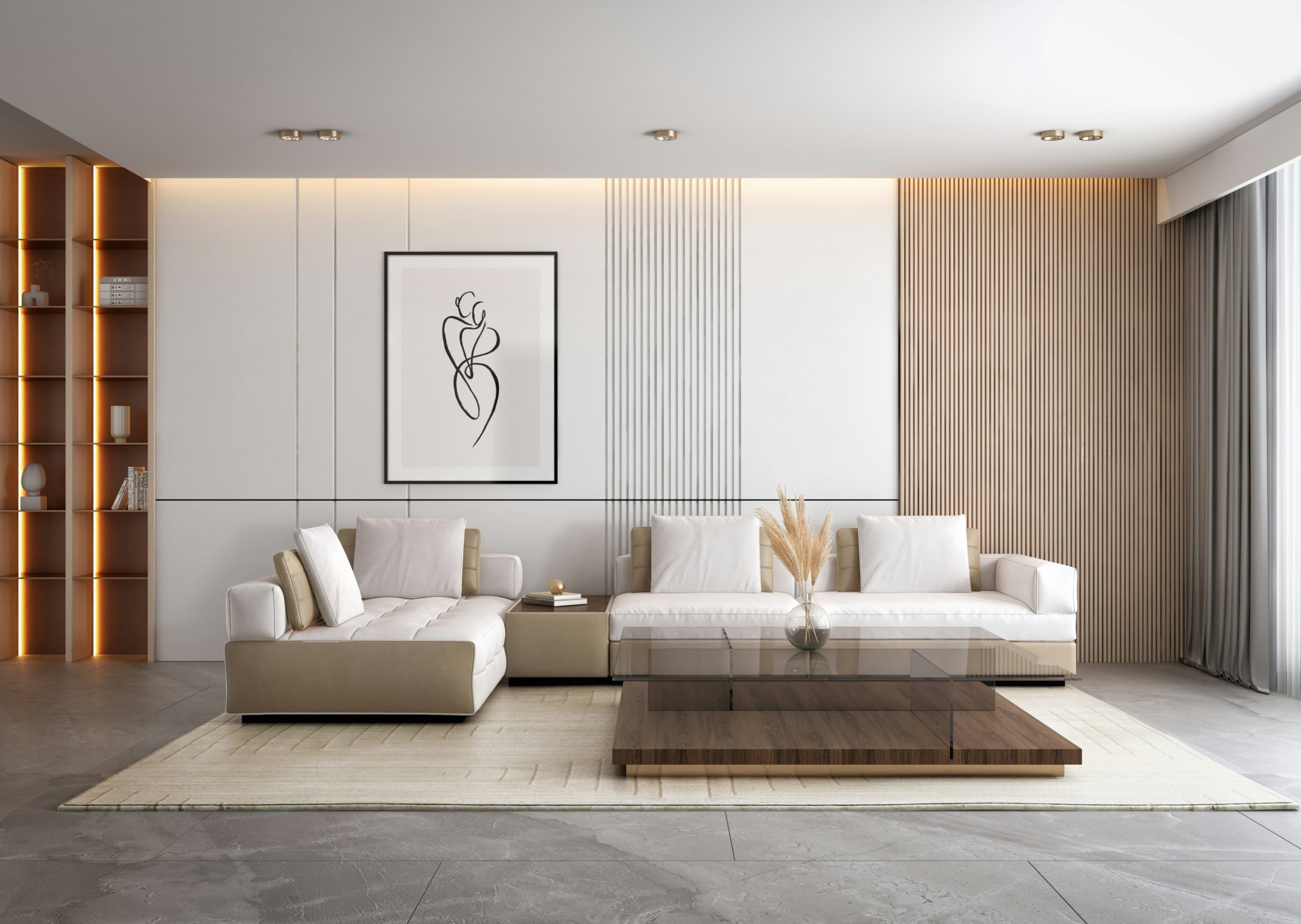
Living in a small home with a growing family can be hard. You want space, but the walls often feel like they’re closing in. Professional 3D render services can change how we look at these tight layouts. A specialized 3D visualizer company shows you what is actually possible before you start building. Instead of guessing, you see how to fit kids, toys, and life into a few rooms. This guide looks at how digital tools find room where you thought there was none.
Why Small Family Spaces Are So Hard to Plan on Paper
Flat floor plans show length and width, but they miss the real feeling of daily life. A study by the National Association of Home Builders suggests that 58% of homeowners feel their layout is inefficient after they move in. This happens because paper does not show a room’s height or how people actually move through it. You see a simple box for a bed in a drawing, but you do not see the pile of toys that will inevitably sit next to it. You see a kitchen layout, but not the way two people bump into each other while trying to make breakfast in a narrow galley. Narrow walkways and shared rooms look fine as lines on a page. In reality, they become frustrating bottlenecks. Traditional plans also fail to account for vertical space, which is where most small home solutions are found. When you only look at the floor, you miss the potential of the walls. This gap between a flat drawing and a three-dimensional life leads to furniture that is too big and rooms that feel cluttered. Recent data show that 2D planning can lead to 15% more material waste because people order items that simply do not fit the room’s volume.
How a 3D Visualizer Company Helps Families See Hidden Potential
A 3D visualization company builds a digital twin of your actual house. It allows you to walk through your home before you even buy a rug or a bucket of paint. Industry reports show that using 3D modeling can reduce design errors by up to 30%. You can move a wall or change the height of a cabinet with a single click. This is much better than moving a heavy dresser five times just to realize it blocks the door. You can test different layouts to see how the kids will move from their beds to their desks. It makes the invisible parts of design visible.
We can test these specific features in a digital model:
- Custom storage walls that reach the ceiling to use every inch of vertical height.
- Multifunctional furniture, like desks that fold into walls when they are not in use.
- Bunk beds with built-in stairs and drawers for shared kids’ rooms.
- Foldable dining tables that can be tucked away to provide more floor space.
- Built-in seating with hidden compartments for shoes, bags, or extra toys.
- Underused corners converted into tiny, functional workstations for parents.
Seeing these elements in a digital space prevents future regrets. It turns a stressful renovation into a clear, visual plan. You get to see if a specific layout makes the room feel like a cozy home or just a crowded storage unit.
Finding Storage Where a 2D Plan Shows Empty Space
Most people look at a floor plan and see empty corners or dead ends. A person using 3D architectural visualization sees a chance for a floor-to-ceiling cabinet. When you look at a room in 3D, you immediately notice the height of the walls. You can see how a window seat with deep drawers underneath provides both seating and storage. Hallway niches that look like dead space on paper become perfect spots for recessed shelving. Staircases are often just blocks on a map, but 3D views show the massive volume hidden underneath them. Statistics from interior design surveys show that vertical storage can increase usable space by nearly 20% in compact apartments. By modeling these areas, you find room for suitcases, winter coats, and bulky sports equipment. You use the architecture itself to hold your life without adding extra clutter on the floor. This approach keeps the floor clear so the room feels much larger than it actually is.
Testing Furniture Placement Before the Room Feels Cramped
Buying furniture for a small room is always a gamble. A bed might fit the physical dimensions of a room, but leave no space to actually open the wardrobe doors. Using 3D architecture visualization lets you check these clearances accurately. You can see the actual “swing space” needed for doors and drawers. It helps you decide if a sectional sofa is better than a small loveseat for your living room. You can virtually walk around the dining table to see if the chairs hit the wall when someone sits down. If the kids share a room, you can see if two separate desks leave enough floor space for them to play. Over 40% of furniture returns are due to items being the wrong size for the space. Seeing the scale in a 3D environment stops this waste of time and money. It ensures every piece you buy serves a purpose without making the family feel trapped in a furniture showroom.
Designing Flexible Rooms for Changing Family Needs
A home must be able to adapt. A nursery today will need to become a study space tomorrow. An architectural visualization company helps you plan for these inevitable transitions. You can see how a guest room might double as a home office using a Murphy bed or a folding desk. Flexible zoning is the key to a happy small home. You can also use a 3D visualization agency to test room dividers or sliding panels. These tools help you determine whether a single room can accommodate two different activities simultaneously. For example, can one child sleep while another does homework in the same area? Statistics suggest that 70% of modern families prefer multi-use spaces over traditional, rigid room definitions. 3D modeling shows you where to place lighting and outlets to support different setups. You can experiment with modular storage that shifts as the children grow. This foresight keeps a small home functional for years, not just a few months. It allows the house to grow with the family without requiring a larger mortgage or a stressful move.
Making Small Spaces Feel Open, Not Overloaded
Storage is great, but too much of it makes a room feel like a dark cave. A good 3D visualisation company knows how to balance utility with beauty. You can see how light from the windows interacts with the new cabinets. If a large wardrobe blocks the natural light, the room feels smaller, regardless of how much floor space you saved. You can test different colors and finishes in the digital model. Lighter colors usually make a space feel bigger, but 3D previews let you see whether a dark accent wall adds depth rather than weight. It is all about sightlines. If you can see the floor from one end of the room to the other, the space feels open. Visualizers help you choose furniture with thin legs rather than solid bases to keep the floor visible. Research indicates that well-lit, organized spaces significantly reduce cortisol levels in residents. Professional 3D architectural design services help you virtually test these visual elements. You create a home that feels calm and breathable for the whole family, even when space is tight.
From Guessing to Confident Family-Friendly Decisions
Planning a home renovation or move is expensive and stressful. Using a CGI rendering company removes the guesswork from the process. You see the final result before you spend a single dollar on materials or labor. It gives you the confidence to try bold ideas, like a built-in loft or a custom hallway library. You avoid the high cost of fixing mistakes later. According to construction data, changes made during the planning phase are ten times cheaper than changes made during the building process. This technology is not just for luxury mansions or big office buildings. It is a vital tool for families living in small apartments who cannot afford to waste a single inch. A professional 3D visualizer company provides a clear roadmap for your project. It turns a cramped and confusing layout into an organized, joyful living space. You end up with a home that works for your children and protects your sanity. Making smart, visual choices now ensures your small space remains a sanctuary for years to come.
Order my debut children's book
Greek Myths, Folktales & Legends for 9-12 year olds
Published by Scholastic. Available on Amazon
