

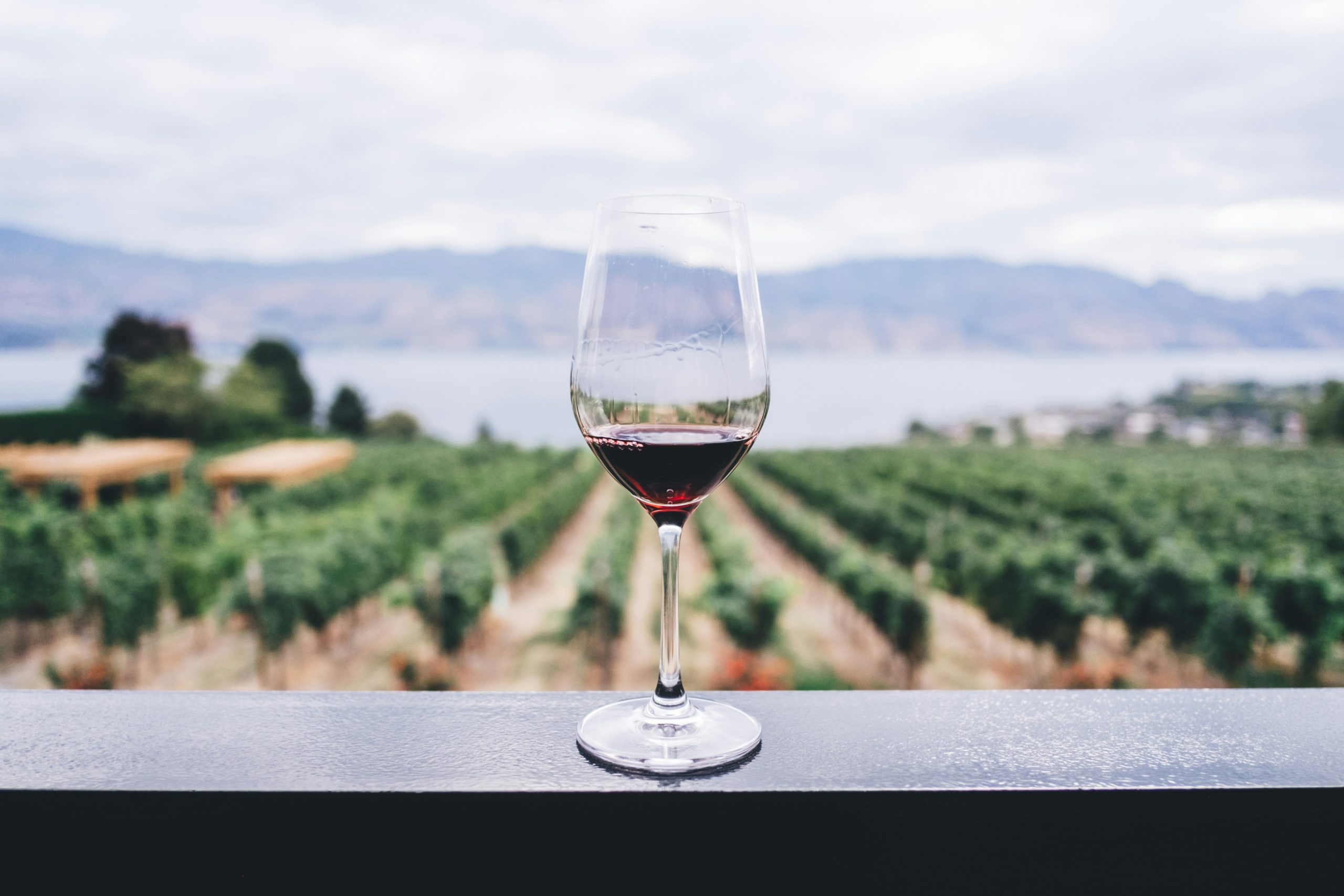
When you pour a glass of premium red wine, you are tasting much more than fermented grape juice. You are experiencing the unique environmental fingerprint of the exact location where those specific grapes grew. This concept of regional character is crucial for delicate, thin-skinned grape varieties that absorb their surroundings easily.
Understanding how the environment shapes flavour profiles changes how you appreciate a good vintage. In this blog post, you will examine how geography improves premium vineyard harvests.
The Crucial Role Of Soil Composition
The earth in which vines are planted dictates the fundamental structure and mineral quality of the wine. Different soil types retain heat and drain water at varying rates, directly impacting how the fruit ripens. If you are searching for the best pinot noir Australia has to offer, look for regions with volcanic or limestone-rich dirt.
Limestone soils naturally retain essential moisture while providing excellent drainage during heavy seasonal rains. This specific balance stresses the vines just enough to produce smaller, flavour-packed berries instead of watery fruit. The resulting wine boasts a vibrant acidity and a distinct, lingering mineral finish that wine enthusiasts adore.
How Climate Shapes Acidity And Sweetness
Temperature plays a massive role in determining the balance between tart acidity and sugary ripeness in grapes. Delicate varietals struggle in blistering heat, as they ripen too quickly and lose their elegant, nuanced flavours. They require cooler climates with long, slow-growing seasons to develop true complexity.
Here is how specific climate factors directly influence the final taste:
- Cooler Growing Seasons: Cool weather preserves natural acidity, giving a crisp finish.
- Warm Daytime Sunshine: Adequate sunlight ensures grape sugars develop fully before harvest.
- Chilly Evening Breezes: Cold nights allow vines to rest and retain aromas.
The Impact Of Vineyard Topography
A vineyard’s elevation and the angle at which it faces the sun alter the ripening process. Vines planted on steep hillsides benefit from superior drainage and catch the sunlight at optimal angles. This positioning ensures even ripening across the entire crop, which is vital for a balanced, high-quality vintage.
Higher elevations also have cooler air and stronger winds, which thicken grape skins. Thicker skins contribute to a deeper colour and a firmer tannin structure in the final product. Winemakers carefully select these elevated parcels of land to cultivate their most prestigious and age-worthy reserve labels.
Exploring The Influence Of Local Flora
The surrounding natural vegetation of a vineyard often imparts subtle aromatic characteristics directly to the grapes. Native trees, herbs, and wild scrub grow alongside the vines, sharing the same soil and air currents. Wind carries these organic compounds, which settle on the waxy skin of the ripening grapes.
Here is how local flora subtly enhances the wine’s unique aromatic profile:
- Eucalyptus Tree Proximity: Nearby gum trees impart a faint, cooling minty aroma
- Wild Herb Gardens: Surrounding herbs contribute savoury, earthy notes to the bouquet
- Coastal Ocean Breezes: Salty sea air leaves a subtle, refreshing maritime trace
The Winemaker’s Respect For The Land
While the environment provides the raw ingredients, the winemaker must translate that terroir into the glass. The best producers use a hands-off approach in the cellar, avoiding heavy oak masking or artificial additives. They want the natural character of the vineyard to shine through the wine unhindered, showcasing its geographical origin.
Gentle pressing and wild yeast fermentation allow the authentic geographical traits to remain the central focus. This minimal intervention philosophy requires immense skill, as there is nowhere to hide poor-quality fruit. The final result is a pristine, authentic wine that tells a compelling, delicious story of its origin.
Experience The Magic Of True Terroir
Understanding how geography affects viticulture enhances your appreciation of each bottle. You can distinguish your favourite regions by understanding soil, climate, and topography. This knowledge transforms casual drinking into an engaging sensory exploration of the natural world.
Seek out bottles from producers who respect their land and strive to capture its essence entirely. Let your next tasting be a fascinating journey to the very roots of the vineyard.
Order my debut children's book
Greek Myths, Folktales & Legends for 9-12 year olds
Published by Scholastic. Available on Amazon
