

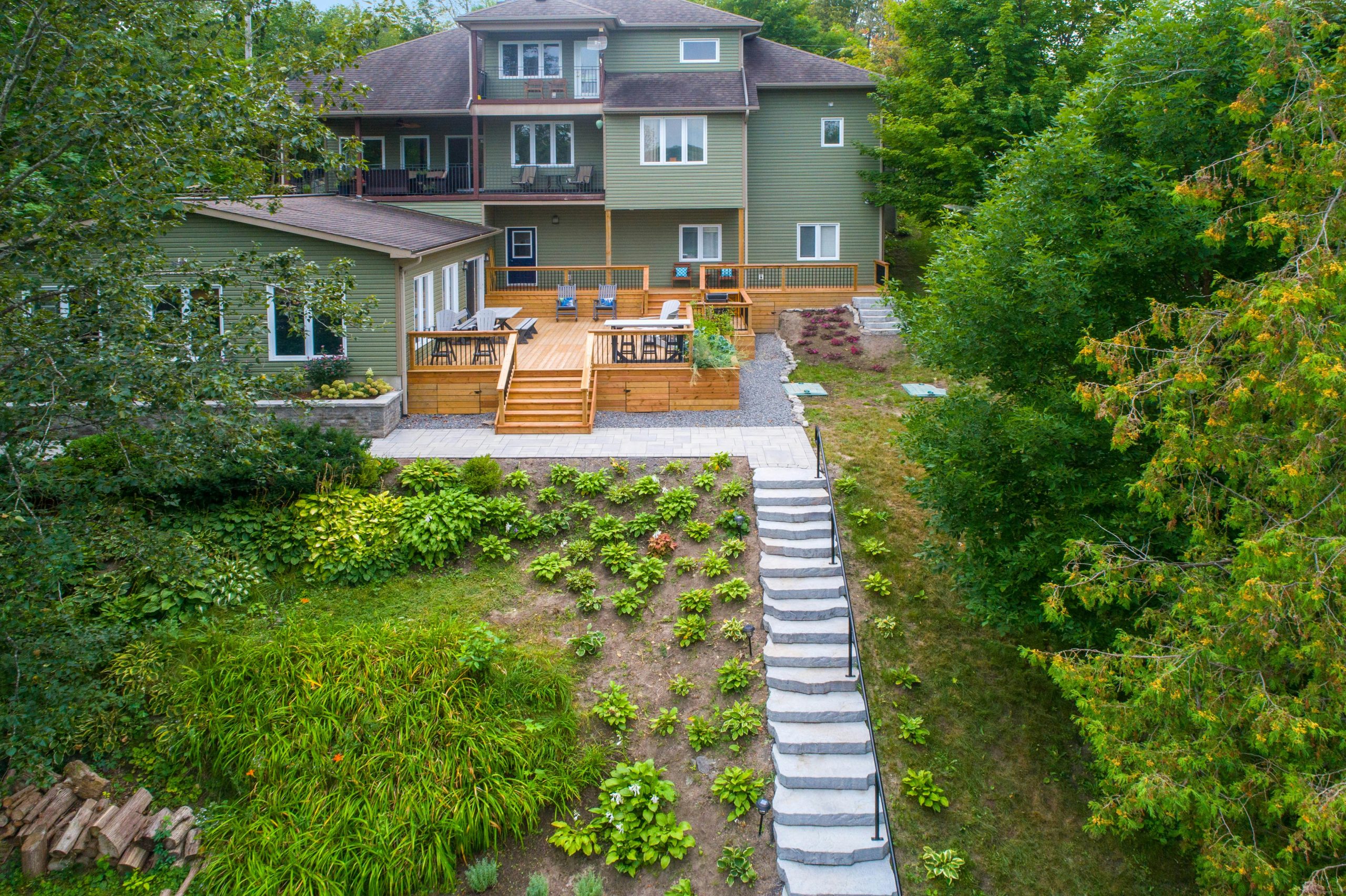
A well-built deck does more than fill an empty yard. It creates a dependable outdoor room with clear movement, stable footing, and purpose. Professional installation brings framing knowledge, code awareness, and material judgment into decisions that affect daily comfort. Homeowners gain a place for meals, rest, and visits without expanding interior square footage. Done well, the finished space feels connected to the house and ready for regular use.
Local Value
St. Louis homes face humidity, freeze cycles, clay soil, and heavy summer rain, so construction details carry real weight. Crews planning deck installation in St. Louis should account for footing depth, ledger protection, drainage, and board movement before work begins, because those choices affect comfort, inspection outcomes, long-term strength, and future buyer confidence.
Better Function
A deck gives open yard space a defined role. Dining tables, grills, lounge chairs, and walkways each need room to function. Proper dimensions reduce crowding and help people move between doors, steps, and seating. Good planning also keeps cooking areas away from tight traffic paths.
Higher Home Appeal
Buyers read outdoor areas quickly. A sturdy deck with clean lines signals maintenance, planning, and usable square footage. It also helps visitors picture ordinary routines, such as morning coffee or weekend meals. That practical appeal can make a home feel more complete during a showing.
Smarter Layout
Placement affects comfort before furniture is added. A professional installer studies sun exposure, door swing, slope, sightlines, and privacy. The right orientation can soften glare, improve access, and preserve yard space. Even a small platform performs better when stairs, rails, and seating zones are planned together.
Material Choices
Each material brings tradeoffs. Pressure-treated lumber costs less upfront and accepts stains well. Cedar offers warmth but needs regular care. Composite boards resist stains and fading, requiring less upkeep. PVC handles moisture better in damp spots. Selection should reflect budget, shade, drainage, and expected use.
Increased Safety
Deck safety begins below the surface. Footings must reach stable soil, posts need correct bearing, and joists require proper spacing. Rail height, stair rise, tread depth, and fastener choice all matter. These details protect families, guests, and the structure during daily loads and seasonal changes.
Easier Maintenance
Careful installation reduces future repair pressure. Correct board gaps to let water drain. Flashing shields the house where the framing meets the wall. Corrosion-resistant hardware helps prevent staining and joint failure. Good airflow beneath the structure also limits trapped moisture, which can shorten service life.
Outdoor Comfort
Comfort determines whether a deck gets used often. Shade, lighting, rail style, and furniture clearance influence how the area feels at noon and after sunset. Smart planning can create a cooler dining spot, a safer evening path, and enough open floor area for easy movement.
Entertaining Space
A deck provides gatherings with a clear focal point without crowding indoor rooms. Guests can move between food, seating, and yard activities with less friction. Wider stairs, open corners, and nearby serving surfaces all support better flow. Even modest square footage can make hosting feel calmer and more organized.
Cost-Effectiveness
Professional installation costs more than casual labor, but poor work often carries hidden expenses. Weak framing, shallow footings, and missing flashing can lead to repairs far earlier than expected. Skilled planning protects material investment, reduces waste, and gives homeowners clearer expectations for permits, timing, and upkeep.
Design Details
Small choices shape daily satisfaction. Board direction can make a narrow area feel longer. Rail profiles affect views from seated positions. Lighting improves visibility on steps and edges. Built-in benches, planters, or privacy screens should support use without stealing too much floor space.
Long-Term Use
A deck should serve current habits and leave room for change. Families may need space for children, pets, quiet mornings, or larger visits later. Durable framing and adaptable layout make future furniture swaps easier. Thoughtful construction helps the area stay useful as routines shift.
Conclusion
Professional deck installation adds value through a safer structure, better comfort, stronger appearance, and more useful outdoor living. The best results come from careful site reading, sound material choices, and construction that respects local weather. Homeowners benefit when the finished deck supports real routines rather than just looking good in photos. With proper planning, the space becomes a dependable part of the home for years.
Order my debut children's book
Greek Myths, Folktales & Legends for 9-12 year olds
Published by Scholastic. Available on Amazon
