

By Antoine Fischer.
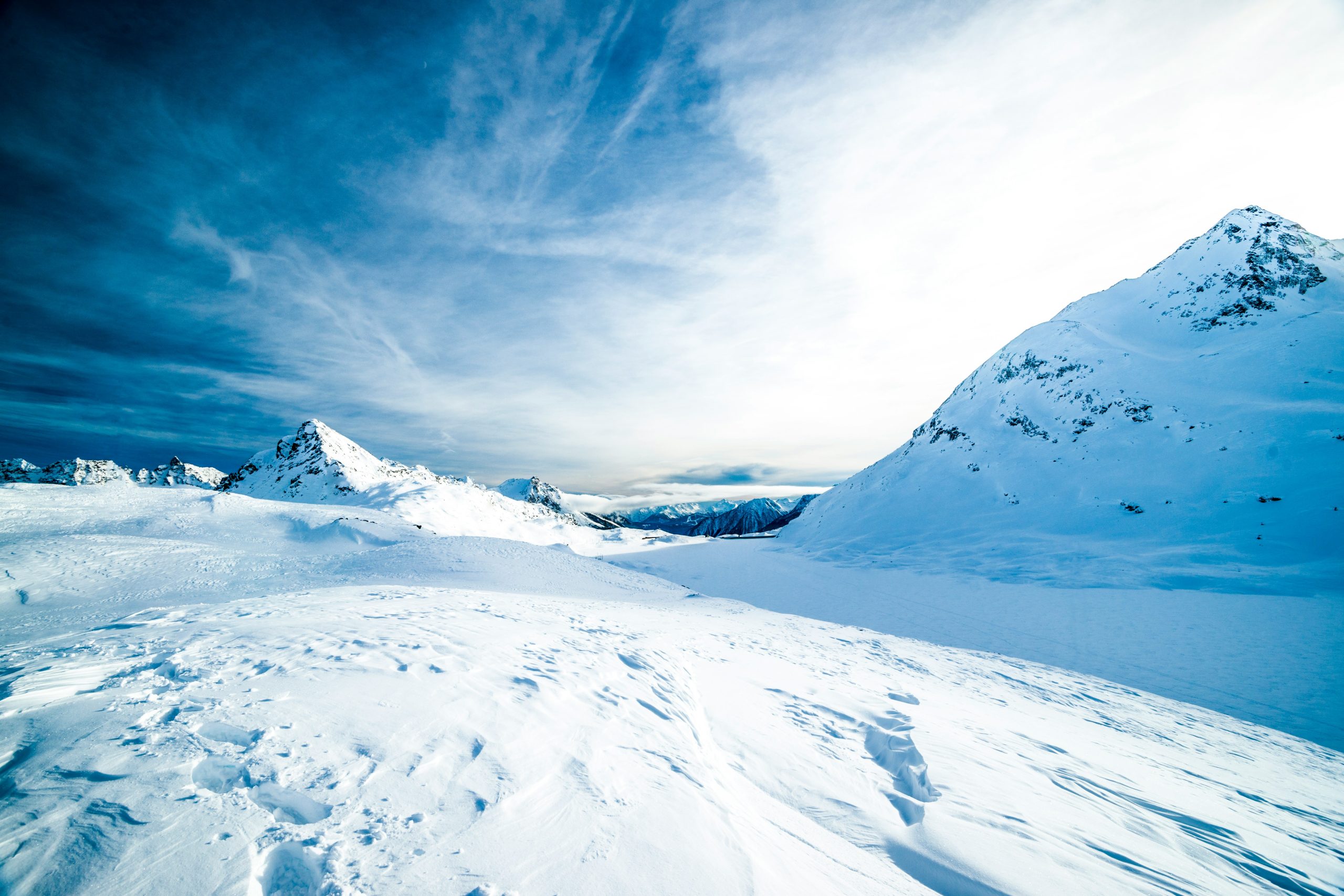
The Arctic has this totally weird way of making you feel completely invisible. Honestly, when you stand out there on the gravel shores of Svalbard, the freezing wind just hits your face with this heavy, biting silence. It feels ancient. Surreal, even. This giant, frozen chunk of rocks sitting halfway between Norway and the North Pole is famous for its polar bears and massive glaciers, sure. But underneath all that bright, blinding white snow is a messy, deeply human story. When we first announced we were taking the kids up there, our friends honestly thought we were losing our minds. They kept asking why on earth we would bring young children to a place defined by subzero winds and total isolation. But we were looking for something that normal beach vacations just could not give us. We wanted an experience that would force us to completely drop our devices and actually live in the moment.
What we found in that icy wilderness changed how we operate as a family unit. It just did. Traveling to the absolute edge of the earth requires a completely different kind of teamwork. It strips away the endless daily noise of school schedules, work emails, and constant phone notifications, leaving you with nothing but the immediate landscape and the people standing right next to you. In the Arctic, you realize incredibly fast that your survival and your sanity depend on being present.
How do you even measure the value of a place that feels so completely cut off from civilization?
Maybe you can’t. Maybe you just stand there and live it.
The Art of True Disconnection
In our normal lives, we live under this weird illusion of constant connection. The kids have their tablets practically glued to their hands, my partner and I are constantly checking work messages, and even our family dinners get interrupted by random news alerts. It is exhausting, honestly. But the Arctic takes all of that noise and just throws it away. The second your ship sails into those high latitudes, the signal drops to absolute zero. No bars. No roaming data. No quick Google searches to settle a dinner argument.
Initially, the lack of connectivity caused a lot of genuine anxiety. The kids kept reaching into their pockets out of pure habit, and I found myself frantically gripping my phone to document every single second. But within about forty-eight hours, this amazing shift happened. Without the distraction of the digital world, we actually started looking outward. We noticed the subtle, beautiful color changes in the sea ice. We pointed out thousands of birds nesting high on the cliffs along the fjords. More importantly, we just talked. We had these long, sprawling conversations that did not feel rushed by the next item on the calendar.
Finding Strength in Shared Vulnerability
The Arctic landscape is gorgeous, but it is also deeply intimidating. Standing on an open deck looking at massive, towering walls of blue ice makes you feel completely insignificant. For kids, and honestly for adults too, that kind of scale brings up a lot of vulnerability. We were all totally out of our comfort zones. We were wearing five layers of clothing, navigating rocky shorelines, and learning to respect a wilderness that does not care about human comfort at all. This isn’t a trip for young children, teens, yes but not toddlers.
This shared vulnerability became our biggest bonding tool. When we went on shore excursions, we actively had to watch out for each other. The kids learned to hold our hands firmly over wet, slippery stones, and we learned to trust their instincts as they navigated the rough terrain. There was no room for standard parental lecturing or a teenage attitude. The environment demanded mutual respect. Seeing your parents navigate uncertainty teaches kids that it is perfectly okay to feel small, as long as you face it together. And that’s the point.
Lessons in Environmental Stewardship
It is one thing to read about climate change in a textbook or watch a worrying documentary on television. It is an entirely different thing to see it happening with your own eyes, alongside your family. Walking through the Arctic allows you to see the fragility of our planet firsthand. We watched massive chunks of ancient glaciers break off and crash into the water, and we saw how hard the local wildlife has to work just to adapt to changing seasons.
Our guides explained the delicate balance of the ecosystem, pointing out how even tiny changes in water temperature ripple out to affect everything from microscopic shrimp to the largest whales. The kids did not just listen to the lectures, they completely absorbed it. They started asking heavy questions about how our lifestyle back home impacts a place thousands of miles away. The Arctic turned our family vacation into a real, active classroom, creating a sense of responsibility in our kids that no school assignment ever could.
Navigating the Polar Frontier
Planning a trip to such a remote destination requires serious consideration. You cannot simply book a flight and wing it. Because of the extreme conditions and the absolute necessity of safety, choosing the right way to travel is everything. For our family, being on the water was the perfect solution. It allowed us to access isolated fjords and hidden bays while maintaining a safe, warm base camp for the kids.
When planning an expedition like this, finding the balance between adventure and safety is essential. Many families spend months researching the options, weighing up the best Arctic cruise for the family, providing the right combination of expert guiding, educational lectures, and small group excursions that would keep everyone engaged. Having dedicated experts on board meant that every view from the window became an opportunity to learn. It gave us peace of mind, allowing us to focus entirely on the experience rather than logistics.
A New Perspective on Materialism
When you live out of a single duffel bag filled with wool layers, waterproof pants, and heavy boots for two weeks, your relationship with material things completely changes. The Arctic teaches you that comfort comes from functionality, not luxury. Our kids spent days wearing the exact same gear, completely unbothered by fashion or trends. They realized that their happiness was tied to the whale tail we spotted at dawn or the blue icebergs floating past our cabin, not the objects they owned.
Returning home was eye-opening. We walked back into a house filled with stuff, but our perspective had completely shifted. We found ourselves wanting less and valuing experiences more. The memories of standing together on an open deck in the freezing wind, wrapped in heavy blankets and drinking hot chocolate, became far more valuable than any physical possession.
The Lasting Impact
Months have passed since we returned from the north, but the lessons remain woven into our daily routine. We are so much better at putting our phones away during dinner. We spend more time outside, even when the weather is less than ideal. When everyday challenges arise, we remind ourselves of the patience and resilience we practiced while surrounded by ice.
The Arctic gave our family a gift that lasts far beyond a tan or a basic souvenir. It gave us a shared history written in ice, a collective memory of a place that tested us, made us contemplate, and ultimately brought us much closer together.
Order my debut children's book
Greek Myths, Folktales & Legends for 9-12 year olds
Published by Scholastic. Available on Amazon
