

There was a time when anything practical had to be hidden. Cleaning products lived under the sink, kitchen tools were tucked into drawers, laundry baskets were pushed behind doors and anything remotely “everyday” was treated like visual clutter.
Now, homes are becoming a little more honest.
The rise of decorative practicality is all about letting useful items become part of the décor. Instead of hiding the things that support daily life, this trend celebrates them through thoughtful materials, attractive storage, clever placement and objects that work hard while still looking beautiful.
It is not about leaving everything out. It is about choosing everyday pieces that deserve to be seen.
What Is Decorative Practicality?
Decorative practicality is the idea that functional items can also contribute to the look and feel of a home. Think ceramic utensil pots on a kitchen worktop, woven baskets filled with blankets, open shelving with neatly stacked crockery, stylish hooks in a hallway or a beautiful wooden stool used as both seating and display.
The practical object does not disappear into the background. It becomes part of the room’s personality.
This fits neatly into the wider shift away from overly perfect interiors. Homes are no longer expected to look like untouched showrooms. Instead, there is more appreciation for spaces that feel lived in, layered and genuinely useful.
Why Is It Trending?
Part of the appeal comes from the fact that people want homes to feel easier to live in. Overly minimal interiors can look calm in photos, but they are not always practical for busy households.
Decorative practicality offers a softer middle ground. It keeps useful things within reach, but avoids the messy, thrown-together feeling that can come from clutter.
There is also a growing love of craftsmanship and materiality. A handmade mug, wooden chopping board, linen tea towel or woven storage basket adds texture in a way that purely decorative accessories often cannot.
Social media has played a part too. More people are sharing real homes, relaxed kitchens, open pantries and lived-in utility spaces where useful objects are arranged with care rather than hidden away completely.
The Kitchen Is Leading the Way
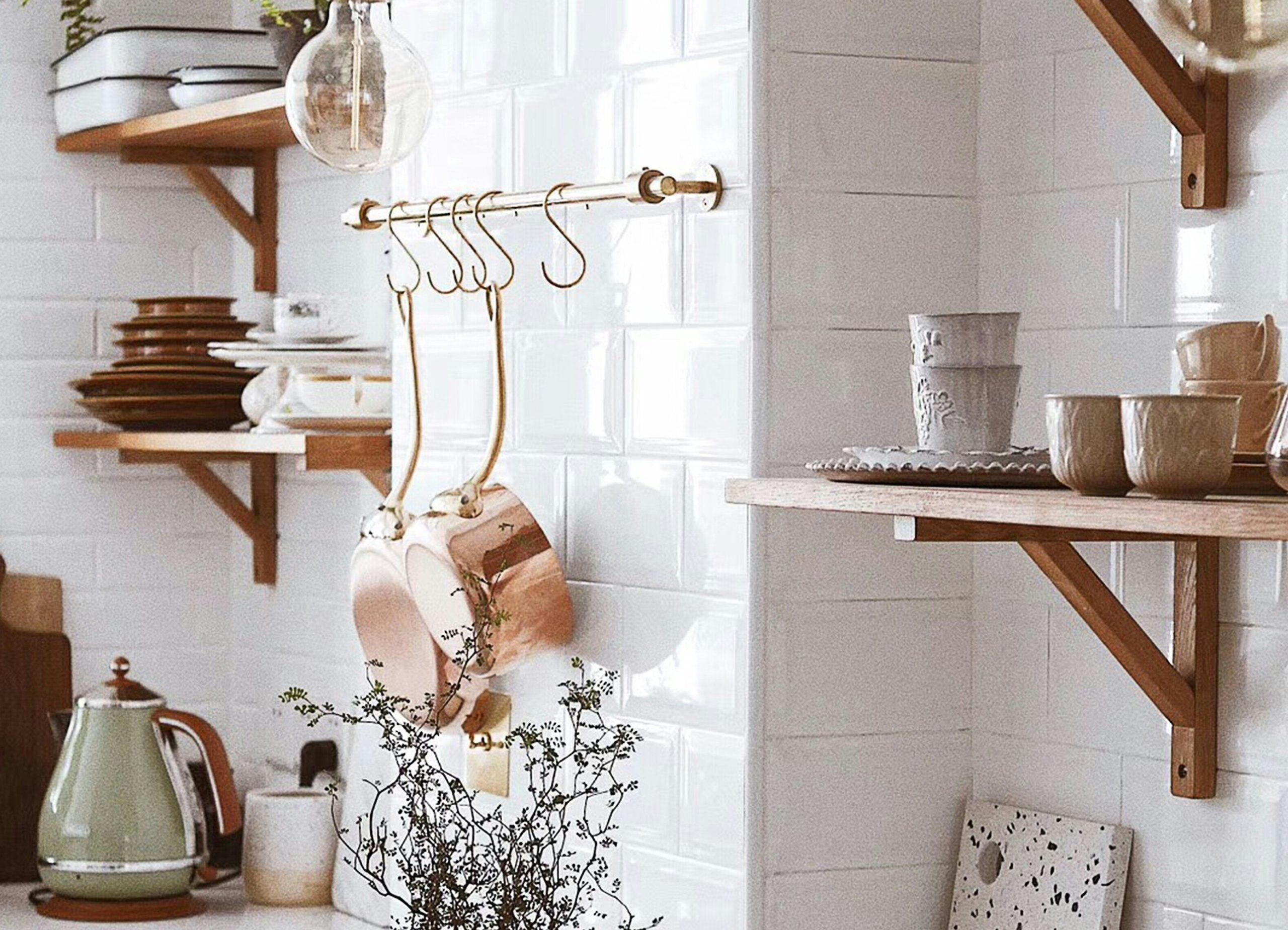
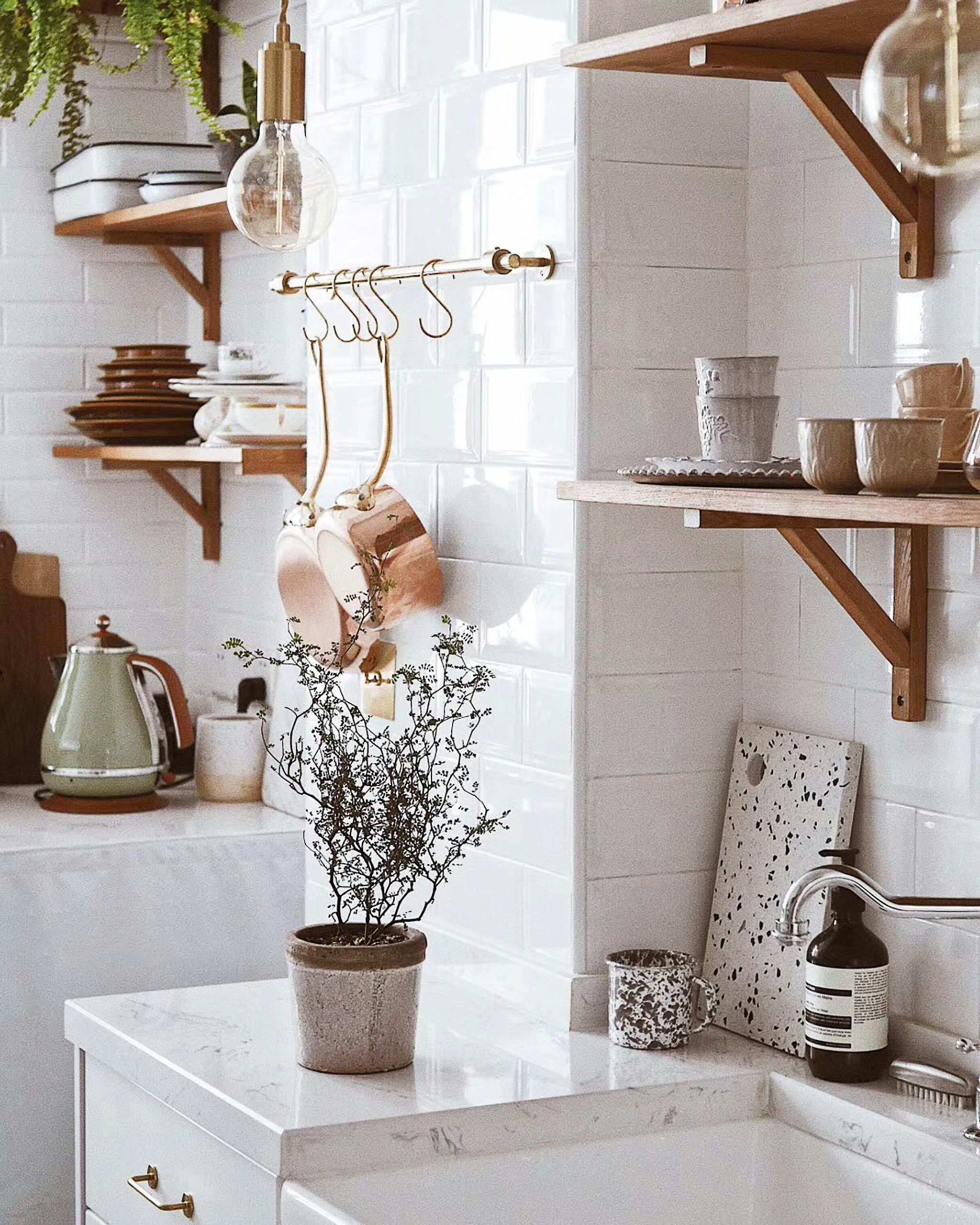
The kitchen is one of the easiest places to embrace decorative practicality. Open shelving, chopping boards, ceramic bowls and glass storage jars can all be displayed rather than hidden away, adding character while remaining useful.
The key is choosing materials that look as good as they function. Wood, ceramic, glass and linen help everyday essentials feel like part of the décor rather than clutter.
Storage That Deserves to Be Seen
Storage is a big part of decorative practicality. Rather than hiding everything away, homeowners are embracing baskets, boxes and benches that provide storage while adding texture and character.
This approach works particularly well in hallways, living rooms and bedrooms, where everyday essentials can be kept organised without feeling out of place. Durable engineered wood, laminate or LVT flooring helps tie these hardworking spaces together, creating a practical yet polished foundation.
Everyday Items as Styling Tools
Some of the best decorative pieces are the ones already being used.
Books, mugs, blankets, candles, trays, stools, mirrors and lamps all have a purpose, but they also shape the atmosphere of a room. A reading corner, for example, feels more inviting when books are stacked nearby, a lamp is positioned properly and a blanket is draped over the chair.
The trick is to style useful items in small groups. A tray can make remote controls, coasters and candles feel organised. A hook rail can make coats, bags and scarves look charming rather than messy. A laundry basket in a natural material can soften a bedroom or bathroom rather than looking like an afterthought.
How to Make It Work at Home
Decorative practicality works best when it feels edited. Not every useful item needs to be on show.
Start by choosing the pieces that naturally add warmth, texture or interest.
Then consider what should still be hidden. Plastic packaging, excess wires, paperwork and visual clutter are usually better stored away.
A good rule is to ask whether the item improves the room visually as well as practically. If it does both, it can stay out.
Is Decorative Practicality Worth It?
This trend is especially worthwhile for anyone who wants a home that feels beautiful but not precious. It supports real life rather than fighting against it.
It can also be more sustainable than buying purely decorative accessories. When useful items are chosen with care, they reduce the need for extra styling pieces and often last longer too.
The only real risk is overcrowding. Decorative practicality should not become an excuse to keep everything visible. The most successful spaces still have breathing room.
Order my debut children's book
Greek Myths, Folktales & Legends for 9-12 year olds
Published by Scholastic. Available on Amazon
