

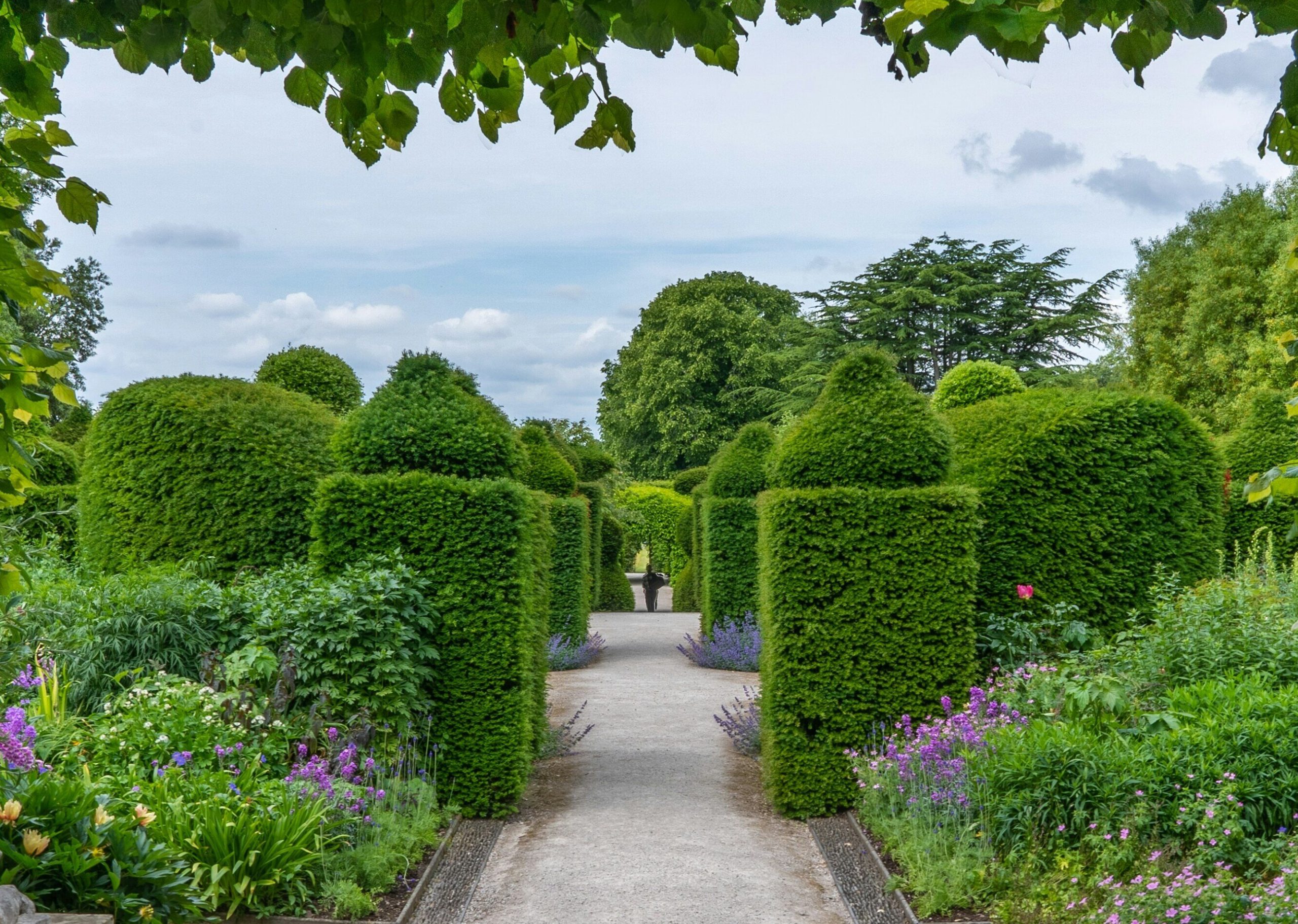
A thoughtfully designed outdoor space does more than look exceptional. It raises property value, improves daily living, and holds up through years of weather and use. Still, most homeowners underestimate how much planning goes into a successful exterior project. Professional outdoor design experts combine horticultural training, spatial reasoning, and construction knowledge in ways that casual research cannot replicate. Their early involvement identifies expensive mistakes before they happen. This article breaks down the specific benefits these specialists bring to residential projects.
Strategic Site Assessment and Planning
Sound outdoor design starts with the ground beneath it. Professionals test soil health, chart drainage flow, measure sunlight hours, and catalog existing plants before sketching a single idea. That kind of groundwork identifies issues like poor water absorption, invasive root systems, or sun-starved planting beds early on.
Skilled designers also read how a property sits within its wider surroundings. Wind patterns, elevation shifts, and local building codes all shape what a site can support. Homeowners who collaborate with experienced landscape architects in St. Louis benefit from region-specific expertise, including familiarity with Midwest clay soils, seasonal temperature swings, and municipal permit standards. That depth of local insight keeps each plan rooted in what actually works rather than what looks appealing on paper.
Cohesive Design That Balances Form and Function
Unified Aesthetic Vision
Visual harmony is one of the most immediate benefits of professional input. Trained designers choose stone, timber, plant varieties, and accent features that sit well alongside a home’s existing architecture. Without that coordinating eye, outdoor spaces tend to feel scattered, with clashing textures and no clear focal point pulling things together.
Functional Layouts
Good outdoor design also answers a practical question: how will people actually use this space? Professionals map foot traffic routes, calculate shade needs, position seating zones, and anticipate how plantings shift through the seasons. A patio built for weekend gatherings demands different dimensions and surface materials than a small meditation garden. Specialists build those distinctions into every square foot.
Long-Term Cost Efficiency
Bringing in a design professional feels like an added cost up front. In practice, careful planning cuts material waste, eliminates rework, and adds years to the life of every installed feature. Hastily chosen plants often wilt within their first season, and poured patios without proper grading crack or pool water after storms.
Research from the National Association of Realtors shows that well-executed exterior upgrades can recoup up to 100% of their cost at resale. Thoughtful tree and shrub placement also trims energy bills by offering natural shade and wind protection. Over a five- to ten-year span, those accumulated savings frequently surpass the original design fee.
Access to Specialized Resources
Design professionals maintain working relationships with nurseries, stone yards, and trusted installation crews that homeowners rarely encounter on their own. Those connections lead to better material pricing, a broader selection, and contractors who show up on schedule.
These specialists also track advances in irrigation hardware, eco-friendly surfaces, and regionally adapted plant cultivars. A homeowner chasing down the same information independently faces hours of conflicting online advice. Professionals distill all of that through years of field experience, recommending only solutions proven under real-world conditions.
Compliance With Local Regulations
Outdoor construction frequently triggers permit requirements, setback rules, and utility easement restrictions. Overlooking even one regulation can mean fines, forced removal of finished work, or months of project delays. Professionals manage these administrative steps as a routine part of their workflow.
They coordinate directly with city offices, confirm property boundaries, and verify that every element satisfies current building standards. That layer of oversight shields homeowners from legal headaches that sometimes surface a full year or more after construction wraps.
Environmental Responsibility
Qualified outdoor designers give real weight to ecological impact alongside visual appeal. They favor native plant species that drink less water and stand up to regional pests without heavy chemical treatment. Permeable paving cuts stormwater runoff, and smart irrigation controllers deliver precise watering schedules that eliminate waste.
These choices build healthier soil, cleaner air, and stronger habitat diversity across the property. For homeowners who care about ecological stewardship, professional direction ensures that a beautiful yard does not come at the environment’s expense.
Conclusion
Professional outdoor design experts deliver value that stretches well beyond curb appeal. Their contributions cover site evaluation, code compliance, budget control, and sustainable material selection. Each of those pieces works in concert to produce outdoor spaces that perform reliably across seasons and retain their worth over the years. Rather than gambling on costly trial and error, property owners gain a clear advantage by working with specialists who bring tested methods and profound local knowledge to every project. That initial investment in professional guidance consistently repays itself through smarter choices and results built to last.
Order my debut children's book
Greek Myths, Folktales & Legends for 9-12 year olds
Published by Scholastic. Available on Amazon
