

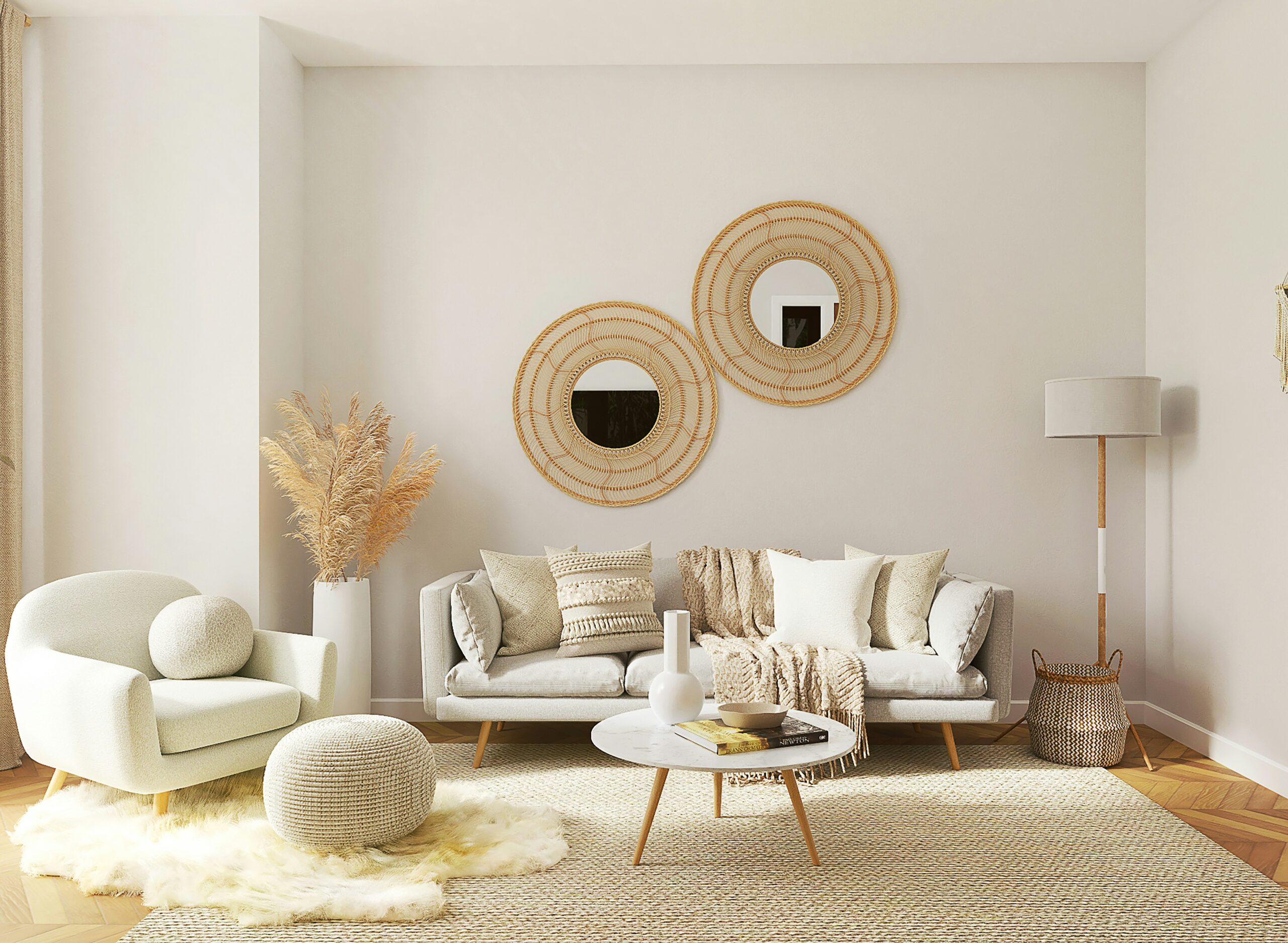
A cozy home is not always the most expensive one, or the most perfectly styled. It is the one that helps you soften a bit when you walk through the door. It feels warm, easy, and lived in. It gives you somewhere to land after school runs, work calls, dinner prep, and the usual family chaos that seems to arrive before 8 a.m.
That feeling rarely comes from one dramatic change. More often, it comes from small choices that work together. Softer lighting. Better textures. A chair you actually want to sit in. A room that smells clean and calm instead of rushed.
Some cozy details start with planning rather than styling. Buying bulk candles by Kisco Candles for the season ahead can be a smart way to keep shelves, mantels, and evening corners softly lit throughout the colder months. Cozy homes usually come together this way, through practical choices that improve how your home feels at the end of the day.
Start With Lighting Before You Buy Anything Else
If a room feels cold, the lighting is often the first reason. One bright overhead light can make even a lovely room feel flat. A cozy room usually has a gentler mix. Table lamps, wall lights, fairy lights, and pillar candles all help soften the edges and make the space feel more relaxed.
The quickest fix is to stop relying on one source of light. Put a lamp near the sofa. Add a small light on a sideboard. Use warm-toned bulbs instead of harsh white ones. The room will feel different almost immediately, especially in the evening.
This is also one of the cheapest ways to change a home’s mood. You do not need a full redesign. You need better light in the places where family life actually happens.
Make Softness Part of the Room, Not an Afterthought
A home feels cozier when it looks comfortable before anyone even sits down. That usually comes from texture. Cushions, throws, rugs, curtains, and upholstered furniture all change how a room feels, even when the layout stays exactly the same.
The trick is not to pile on random soft things and hope for the best. Try mixing textures that play well together. A chunky knit throw looks better when it lands against a smoother fabric. Linen curtains can soften a room that has a lot of wood or painted surfaces. A rug underfoot changes more than the floor. It changes the whole atmosphere.
This is also where family homes need a bit of honesty. If you have children, pets, or both, “cozy” has to survive real life. Washable covers, durable rugs, and fabrics that still look good after daily use will always beat a room that feels too precious to enjoy.
Use Color in a Way That Feels Calm, Not Flat
Coziness and color have an interesting relationship. A room does not need to be dark to feel warm, and it does not need to be beige to feel calm. Some homes feel especially comfortable because the colors are gentle on the eye and work well together rather than competing for attention.
Soft neutrals are a reliable starting point, but they are not the only route. Warm whites, muted greens, dusty pinks, clay tones, soft greys, and deeper blues can all work beautifully. The goal is not to make the room dramatic. The goal is to make it feel settled.
If you are nervous about committing to paint, start smaller. Add color through cushions, artwork, a lampshade, or a throw. A cozy room often grows through layers, not bold declarations.
Create Corners People Actually Want to Use
Some homes look pleasant but still do not feel cozy because there is nowhere to settle properly. A room starts feeling better when it has a corner that invites you in. That could be an armchair by a lamp, a reading nook by the window, or a kitchen bench with a cushion that makes morning coffee feel less rushed.
This matters more than people think. Coziness is partly visual, but it is also physical. You feel it when there is somewhere to put your feet up, somewhere to read with decent light, somewhere to sit and talk without balancing awkwardly on the edge of a dining chair.
Try styling for use, not only for looks. Keep a blanket where someone will actually reach for it. Put books within arm’s reach. Add a small table where a mug can land. The home starts feeling warmer when it supports ordinary comfort in a natural way.
Let Scent and Sound Do Some of the Work
People often focus on what a room looks like and forget that coziness is sensory. A home can be visually lovely and still feel cold if it smells sharp, echoes too much, or feels slightly tense. This is where scent and sound help more than most people expect.
A gentle home fragrance, fresh laundry, baked goods, clean wood polish, or even a pot of something simmering on the stove can shift the mood fast. The same goes for sound. Soft music in the background, less television noise, thicker curtains, or a rug that cuts the echo can make a room feel calmer.
This does not need to become elaborate. In fact, the simplest choices often work best. Clean air, a familiar scent, and less harsh noise can make a space feel more welcoming within minutes.
Edit the Clutter, but Keep the Personality
A cozy home is not a sterile home. It should still feel like the people who live there. Family photos, children’s drawings, books, old ceramics, inherited furniture, and well-loved objects all help give a room warmth. The problem starts when every surface is trying to tell a different story at once.
Editing matters. Not because everything has to be minimal, but because the eye needs a little room to rest. If every corner is full, the room starts to feel busy rather than comforting. A few meaningful things will nearly always feel better than too many decorative ones.
This is especially true in family homes, where clutter arrives quickly and rarely announces itself. A cozy room usually has some order in it, even if that order is loose and lived in. Enough personality to feel human, enough space to breathe.
Make Coziness Part of Daily Life
The homes that feel warmest are not always the most polished. They are often the ones where a few good habits have taken hold. Lamps go on before dusk. Throws are folded where people can grab them. The kitchen smells like dinner or toast. Shoes are by the door, not in the middle of the hall. Someone opens a window in the morning, then closes the curtains before the evening turns cold.
That is why coziness lasts longer when it becomes part of the house rhythm. It is not only a style choice. It is a way of living in space a little more gently. Once you see it that way, the pressure drops. You do not need a perfect home. You need a home that feels kind to come back to.
A few small changes can do more than a full shopping spree. Better light, softer textures, calmer color, a comfortable corner, a cleaner scent, and less visual noise are often enough to change the feel of a room. And once one room feels right, the rest of the house usually starts following along.
Order my debut children's book
Greek Myths, Folktales & Legends for 9-12 year olds
Published by Scholastic. Available on Amazon
