

How Parents Can Support Their Child’s Learning at Home
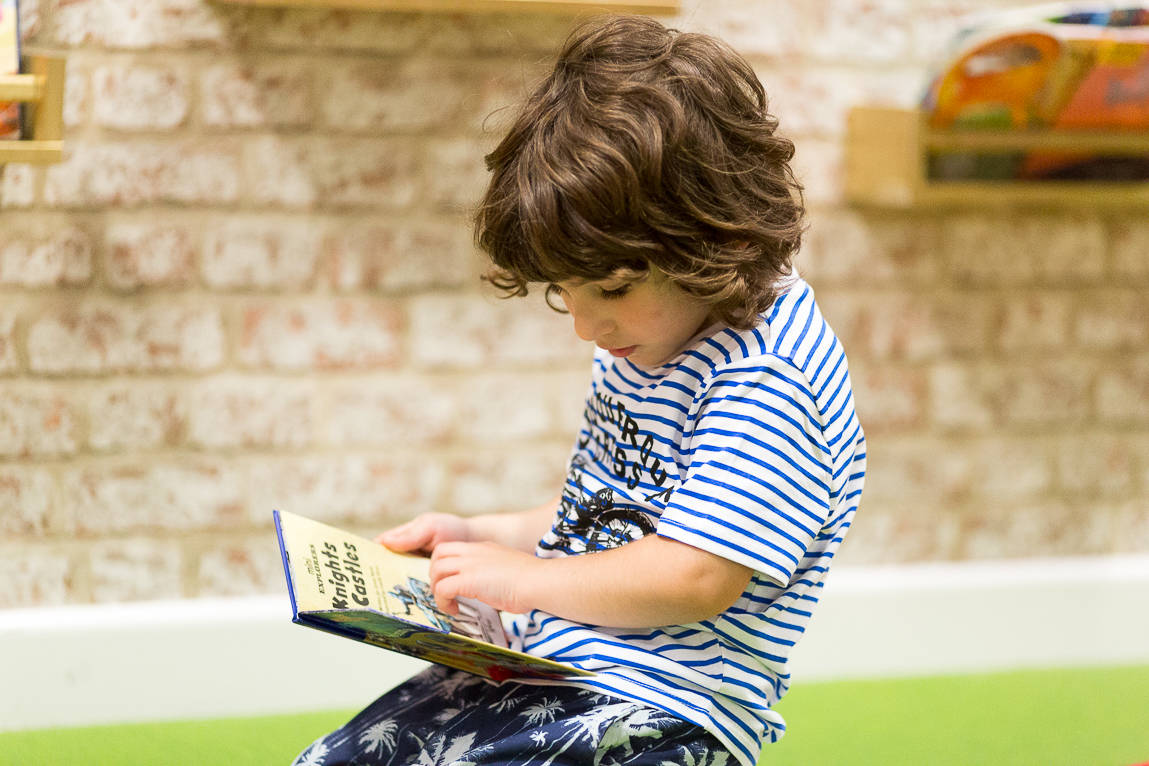
Learning doesn’t stop when kids leave the classroom. What happens at home plays a big role in how well students understand and apply what they’re taught at school. Whether it’s practicing reading, reviewing math, or building better study habits, support from parents can shape a child’s overall progress.
This is true across the country but holds particular value in places like Oklahoma. In many areas—rural and urban alike—families face different challenges when it comes to resources, access to help, or even time. Some students may need more attention than what they get during the school day. Others may benefit from different learning styles or tools.
No matter the situation, parents can take simple steps to help their children grow academically. You don’t need to be a teacher. You just need to be present, ask questions, and create a routine that encourages learning.
Understanding Your Child’s Learning Style and Needs
Every child learns in their own way. Some do better when they see things written down. Others remember more when they hear it or try it with their hands. Paying attention to how your child learns helps you support them more effectively at home.
Try watching how they approach schoolwork. Do they like to read aloud? Do they get frustrated with worksheets but enjoy building things? These clues can guide how you help. For example, visual learners may like charts or diagrams. Active learners may do better with games or movement-based tasks.
When a traditional classroom setting doesn’t seem to work, families often look for flexible learning options. One growing alternative is online education. For those exploring this route, online schools in Oklahoma offer programs that match a wide range of learning styles. These schools provide structure while allowing students to learn at a pace that suits them. Parents stay involved, helping shape the school day and guiding their child through lessons.
This model works well for kids who need more one-on-one time or a quieter environment. It can also help those with unique learning needs or interests that don’t fit within a typical classroom setup.
Creating a Consistent Learning Space at Home
Setting up a space for learning doesn’t require a full home office. A small, quiet spot with a table, a chair, and good lighting is enough. The key is to separate it from play and rest areas, so your child knows that this spot is for schoolwork.
Having a routine matters just as much. Study time should happen at roughly the same time each day. Breaks help too, giving kids a chance to reset before diving back in.
Staying Engaged Without Taking Over
Helping your child doesn’t mean doing the work for them. It’s about being present, asking questions, and guiding them to think through problems. When your child is working on a tough assignment, try asking what they understand first. From there, talk through the steps without giving away the answer.
You can also help by reading directions together or brainstorming ideas before they start writing. These small moments give your child the chance to feel supported without becoming dependent on your help. Over time, they’ll grow more confident in handling tasks on their own.
Check in regularly, even if the school isn’t asking for it. Ask how things are going. Look over their assignments once in a while. Your interest shows that what they’re learning matters.
Using Everyday Activities to Build Skills
Learning happens all the time—not just when a book is open. Daily routines offer plenty of ways to practice important skills. Cooking together teaches measurements and step-by-step thinking. A trip to the store becomes a chance to talk about prices, budgeting, or reading labels.
Board games can also be great tools. Games that involve counting, reading, or planning ahead build skills while keeping things fun. Even simple tasks like sorting laundry or writing a grocery list can help with organization and attention to detail.
When kids apply what they’ve learned to real situations, it sticks with them longer. They also begin to see learning as something useful in daily life, not just something tied to school.
Connecting with Teachers and School Resources
Parents don’t have to figure it all out alone. Teachers can be valuable partners. Reach out to them if you have questions or notice your child struggling with something. Many schools also offer support tools—like reading apps, math games, or optional tutoring sessions.
Check if your school has an online portal where you can track assignments or communicate with teachers. Use these tools to stay informed about what your child is working on. When parents and teachers stay connected, students are more likely to stay on track.
Children do best when they know someone is cheering them on. Supporting learning at home doesn’t require special training or expensive tools. It starts with showing interest, creating good habits, and using what’s already around you.
Parents who stay involved—without taking over—help their kids feel more confident and capable. Whether it’s through regular routines, real-life learning, or staying in touch with teachers, small actions add up. They make home a space where learning feels natural, supported, and worth the effort.
Order my debut children's book
Greek Myths, Folktales & Legends for 9-12 year olds
Published by Scholastic. Available on Amazon
