

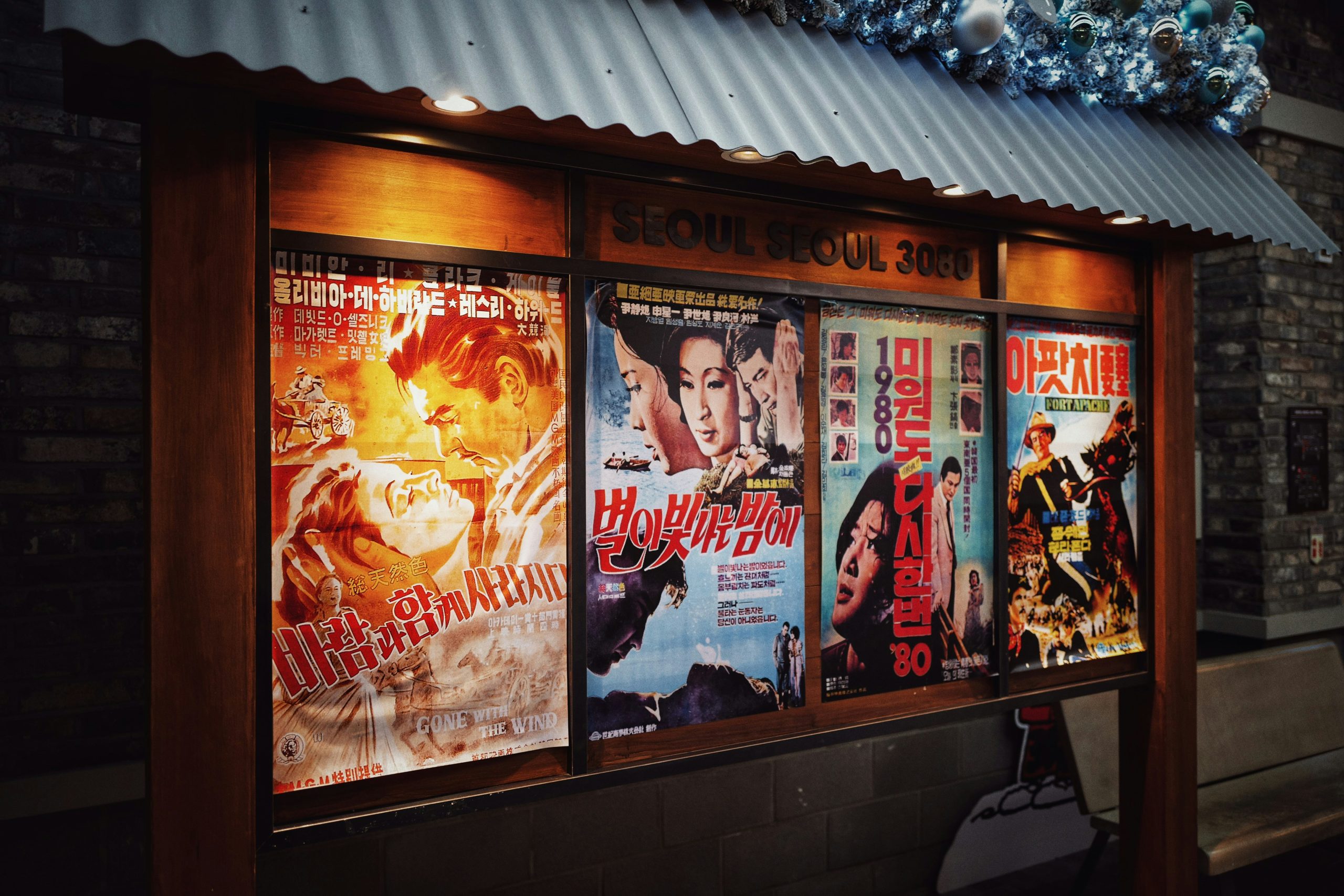
New movie announcements often look small on the surface. A title appears in a database. A few cast names are attached. A short listing goes live. Industry followers notice it. Fans of the actors or the filmmaker begin sharing it. For casual audiences, the update may feel minor. But in film culture, these early moments matter much more than they seem. They are often the point where a project stops being a private production activity and starts becoming part of public imagination.
That change is important because films do not arrive in the audience’s mind fully formed. They are built gradually through signals. A title suggests tone. A cast list creates expectation. A still image changes curiosity into atmosphere. A poster turns an abstract project into a visual promise. A press kit begins teaching people how to talk about the movie. Before most viewers know the plot in detail, they are already learning how the film wants to feel.
That is why a new movie listing matters even when it contains only limited information. It is the beginning of identity. For a title like The Happy Ending for Sera, the first public touchpoints help shape how curiosity forms around it. The project may still be far from broad audience recognition, but the early frame has already started. In cinema, that frame is built not only by databases and entertainment sites, but also by visual presentation and the physical promotional materials that make a film feel tangible before it reaches the screen.
Movie Discovery Starts Long Before Release Day
Audiences often talk about films as though they discover them when a trailer drops or when the release date gets close. In reality, discovery starts much earlier, especially for dedicated entertainment audiences. Film databases, casting updates, production notices, industry blogs, and specialty coverage all play a role in creating the first wave of awareness. These channels matter because they reach the people most likely to carry early attention forward.
That early audience is often small, but influential. It includes entertainment writers, fan communities, cinema watchers, talent-specific followers, and people who track Korean film and drama news closely. Their first impression shapes how a new title circulates. If the project feels vague, it may remain background noise for a while. If it feels visually distinctive or emotionally legible, even minimal news can spark much stronger interest.
This is why the earliest stage of a movie’s public life is not just administrative. It is strategic. A project begins teaching audiences what kind of emotional and visual object it intends to become. Every public-facing material contributes to that lesson.
A Title Creates Curiosity, but Visual Identity Creates Memory
Film titles can do a lot of work. They can sound mysterious, intimate, playful, tragic, lyrical, or commercial. A title like The Happy Ending for Sera naturally creates questions. Is it sincere or ironic? Is it romantic, bittersweet, or unsettling? Is the story character-driven? Is the ending truly happy, or is the phrase itself meant to provoke doubt? Even without a synopsis, the title starts shaping expectation.
But curiosity alone does not create durable awareness. Visual identity is what makes people remember. A poster, teaser sheet, festival handout, cast card, or promo still helps a project move from an interesting name into a recognizable presence. Once an audience sees the film’s visual logic, even in a small way, the project gains a firmer place in memory.
That is why cinema marketing has always relied so heavily on imagery. Before the audience knows whether the film is good, they know whether it feels coherent. They know whether it looks like it belongs to a particular emotional world. They know whether the production seems careful enough to trust with their attention. Visual presentation performs that work almost instantly.
HanCinema-Style Discovery Works Best When Projects Become Tangible Quickly
Specialized entertainment sites and databases are valuable because they give films a public record and a discoverable place inside a larger industry conversation. But those platforms usually perform best when the project quickly develops more tangible assets around the listing. A title page alone creates awareness. A title page plus strong visual materials creates momentum.
This is especially true in Korean film and television culture, where audiences are highly responsive to image, cast chemistry, emotional tone, and promotional polish. Even viewers who first encounter a project through a database entry often wait for something more sensory before forming a stronger opinion. That “something more” may be a poster, still cut, cast presentation image, teaser postcard, press handout, or cinema flyer. These materials help convert curiosity into recognizable interest.
In other words, digital listings open the door, but promotional assets help the project actually enter the room. The film begins to feel less like a note in a database and more like a work that exists in the world.
Printed Film Materials Still Matter in a Screen-Heavy Era
It might seem obvious that digital promotion dominates modern cinema discovery, and in many ways it does. But printed film materials still carry unique value because they make a movie’s identity feel more physical and intentional. Posters in venue spaces, press handouts at screenings, festival sheets, lobby cards, invitation pieces, cast promo cards, and small-run marketing prints still shape how films are introduced and remembered.
That matters because cinema has always been both a visual and a ceremonial medium. People do not only watch films. They encounter them. A beautifully designed printed piece can create mood before the first scene has even been discussed. It can help a screening feel like an event rather than merely a file being streamed. It can give journalists, programmers, and viewers something concrete to associate with the project.
For smaller films especially, this physical layer can make a major difference. Not every production has blockbuster-scale awareness. Many rely on thoughtful presentation, careful positioning, and memorable materials to help the title stick in an overcrowded media landscape.
Character-Driven Films Need Emotional Framing Early
When a movie appears to be centered strongly around a named character, as this title suggests, emotional framing becomes even more important. Character-driven films often depend on viewers feeling intrigue about one person’s story before they know the full plot. The title itself becomes an invitation into that person’s emotional world. That invitation is strengthened when the surrounding materials reflect a clear mood.
A title card that feels intimate, a poster that suggests vulnerability or tension, a press image that frames the protagonist in a meaningful visual environment, or a handout that uses typography and color thoughtfully can all deepen the audience’s first reading of the character. Even before plot details arrive, the movie can begin teaching people what kind of emotional experience they might be entering.
This is one reason printed promotional materials still do valuable work in cinema. They give shape to tone. They help the title hold more emotional meaning than a line of text alone could carry.
Cast Visibility Needs Supporting Materials to Travel
One of the first things people notice in new movie announcements is the cast. Familiar or emerging names can drive early attention, especially on entertainment platforms where audiences follow performers closely across multiple projects. But cast information works better when it travels with supporting visual materials. A list of names sparks curiosity; a cast card, media sheet, or promotional image gives that curiosity a direction.
This is particularly helpful for films seeking traction among press, festival audiences, niche fan communities, or regional cinema followers. Supporting materials make it easier for writers, promoters, and audiences to share the project with some coherence. The more usable and well-designed the materials are, the easier it becomes for the film’s identity to remain consistent across many forms of discussion.
That is one reason production teams, film promoters, screening organizers, and entertainment marketers often benefit from using CheapFASTprinting for movie posters, screening flyers, press handouts, cast promo cards, event postcards, festival leave-behinds, and other physical materials that help a film feel real and memorable before or during release. Free design setup, free design edits, free image enhancement, free file conversion, free QR-code generation, and free proofing can make those assets much easier to prepare professionally.
Physical Promo Pieces Help Smaller Films Avoid Feeling Disposable
One challenge in modern film culture is that too many projects appear briefly and then disappear from public attention almost immediately. The sheer volume of new releases, streaming options, and entertainment updates makes it difficult for smaller or mid-level titles to hold attention for long. That is why presentation matters so much. Films that feel thoughtfully introduced are less likely to feel disposable.
Printed pieces contribute to this because they create a sense of intentional release culture around the film. A poster in a café cinema, a handout at a screening, a festival card tucked into a press packet, or a small promotional flyer at an event all help the movie feel like something with a place and presence. These materials do not guarantee audience love, of course. But they can help the project register as meaningful enough to remember.
For titles that are still building recognition, that is a real advantage. The difference between “I vaguely saw something about that” and “I remember that film” is often a matter of repeated, well-framed touchpoints.
Printed Movie Materials Also Support Community Around a Film
Movies do not live only in private viewing habits. They also live in discussion, screening culture, recommendations, fan circles, and entertainment communities. Printed materials help support that communal life. They can be passed from one person to another, kept after a screening, pinned to walls, included in festival bags, or collected by fans who care about the performers or the production style. In that sense, the printed layer of film promotion is not merely informational. It is relational.
This is especially relevant in Korean entertainment spaces, where fandom and media-following communities often pay close attention to cast movement, new projects, and the early visual signals that surround a title. A strong promotional object can help a film circulate inside these communities more memorably than a bare headline alone.
If a film team or event organizer wants to compare formats before committing to a larger batch of promotional materials, checking a free print sample package can help. Paper feel, finish, thickness, and image quality all influence whether a movie promo piece feels generic or worth keeping.
Early Film-Promo ElementWhat It DoesWhy It MattersTitle listingCreates first public awarenessIntroduces the project into conversationCast visibilityBuilds curiosity through recognizable namesHelps fans and media decide whether to pay attentionPrinted posters and handoutsMake the film feel tangible and intentionalStrengthen memory and mood before releaseConsistent visual identityConnects title, mood, and promotionKeeps the project recognizable across platformsFinal Thoughts
A new movie announcement may seem small, but it is often the first point where a film begins becoming real to the public. From that moment on, every choice about presentation matters. The title creates intrigue, the cast creates expectation, and the visual materials begin building the emotional world people will associate with the project long before they watch it.
That is why printed posters, promo cards, screening flyers, and press handouts still matter. They help bridge the gap between a listing and a lived audience impression. They give the film a more physical, memorable identity in a media environment where too much discovery disappears as quickly as it arrives.
Final thought: a film like The Happy Ending for Sera starts building its audience not only when the trailer arrives, but from the first moment its title, visual tone, and promotional materials begin teaching people how to imagine it.
Order my debut children's book
Greek Myths, Folktales & Legends for 9-12 year olds
Published by Scholastic. Available on Amazon
